Recognition gives you something to work with
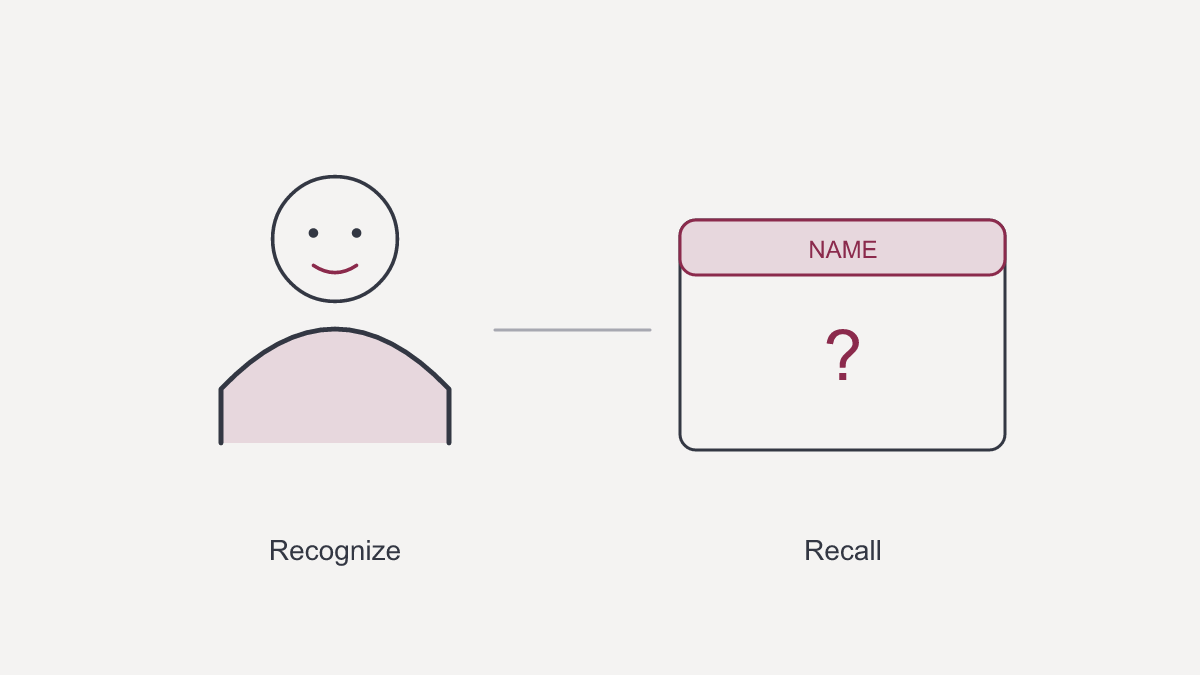
When someone stands in front of you, the face is already present. Your task is to recognize it. To say the person's name, you need to retrieve a label that is not on display. Comparing the two experiences mixes the type of information with the type of memory task.
Burton and colleagues tested names and faces within the same recognition framework. In their experiments with unfamiliar people, names could have an advantage over faces. The study challenges a simple “faces are always easier” explanation of everyday name forgetting.
Familiarity is not the whole memory
You might recognize someone from a class but struggle to remember whether you met in the library or at a lecture. You may remember their job before their name. These partial successes show why memory is more informative when described specifically than when labeled simply good or bad.
An everyday example: seeing a colleague at work provides contextual clues that are absent when you meet them unexpectedly in another city. The encounter has changed, even though the person has not.
Make the introduction easier to encode
Give the name your attention when it is first said. If you did not hear it, ask again rather than pretending it was stored. Use it naturally in conversation and connect it with a genuine detail about the meeting.
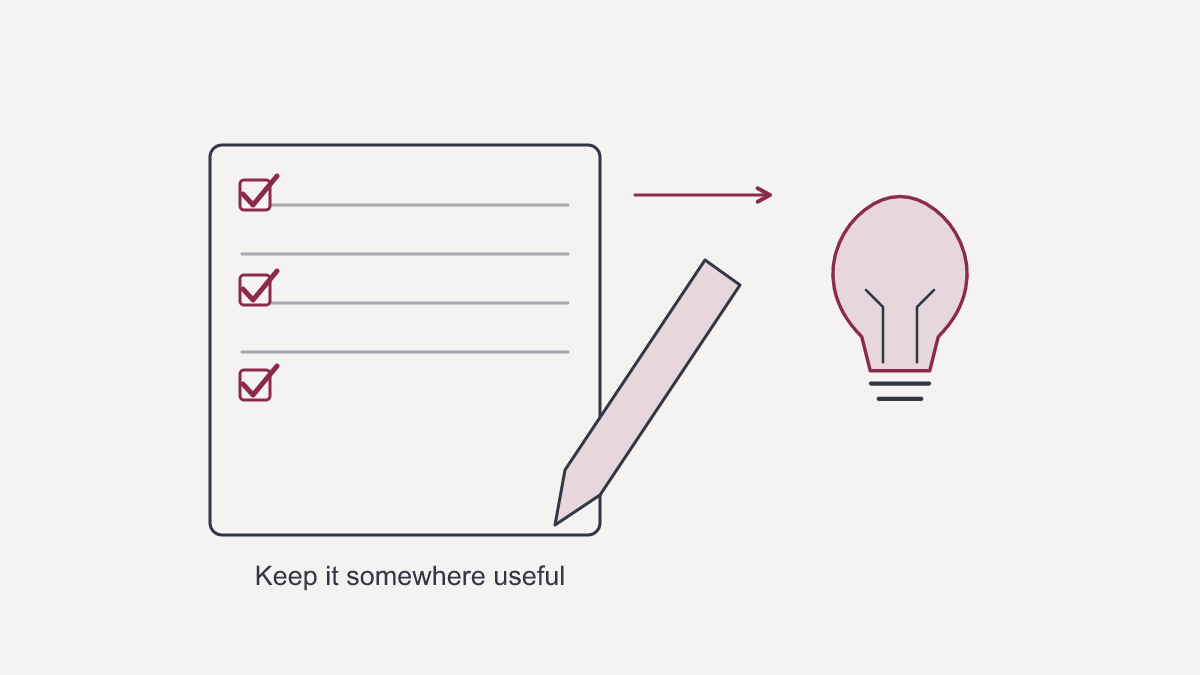
For people you need to contact later, an appropriately kept contact note can be more useful than treating every forgotten name as a personal failure. Respect privacy when recording information about others.
What does this say about your IQ?
A single name-retrieval failure does not give an IQ estimate. It also does not explain every kind of memory difficulty. Cognitive assessments use multiple defined tasks because one anecdote cannot represent the whole profile.
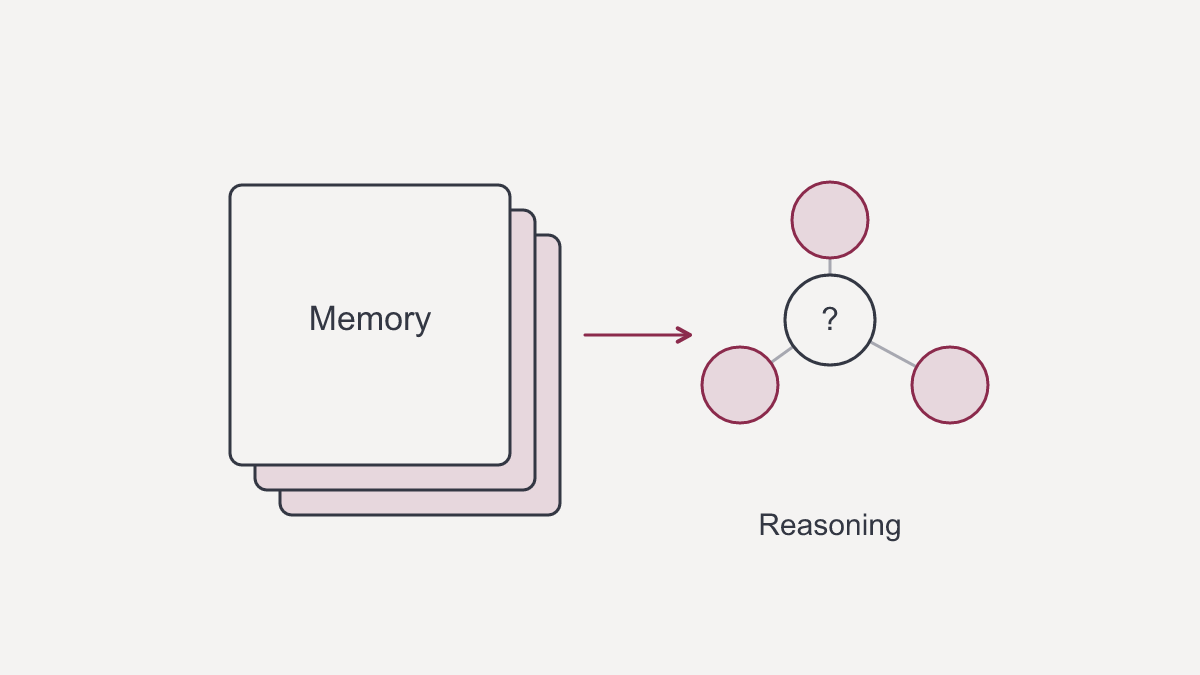
Our memory and intelligence guide separates recalling facts, briefly holding information and reasoning with it. Those distinctions help explain why a person can be strong at one memory task and ordinary at another.