Three meanings of a good memory
| Example | What the task asks you to do |
|---|---|
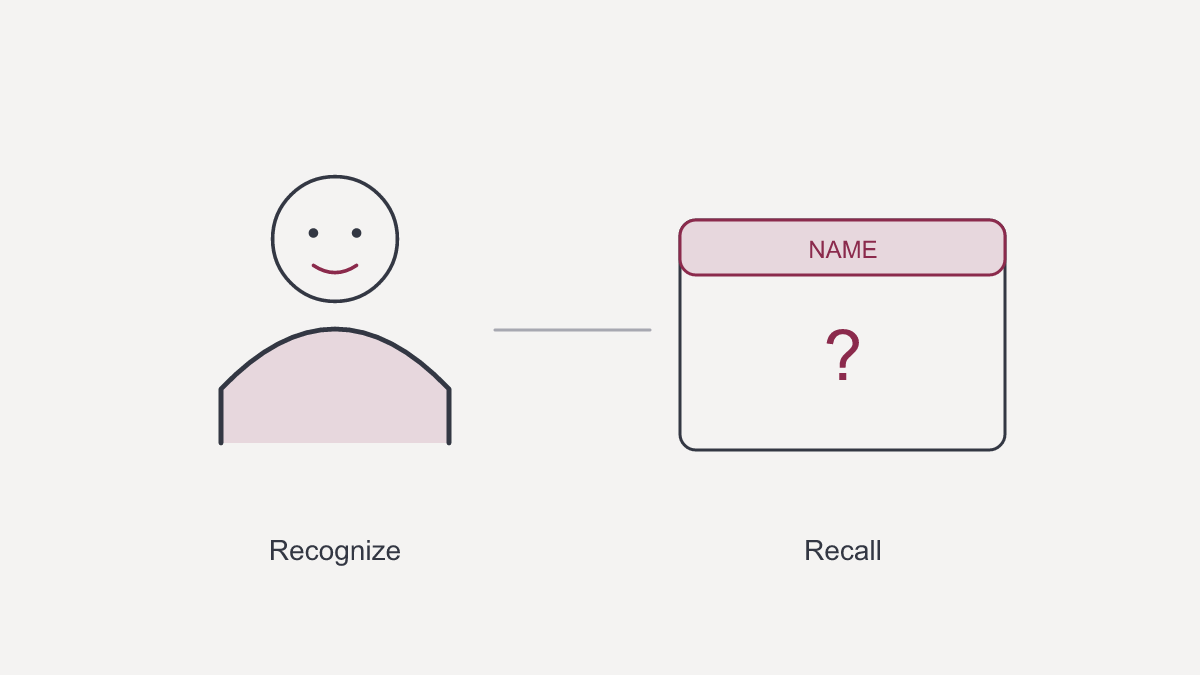
| Recalling a capital city | Retrieve learned knowledge. |
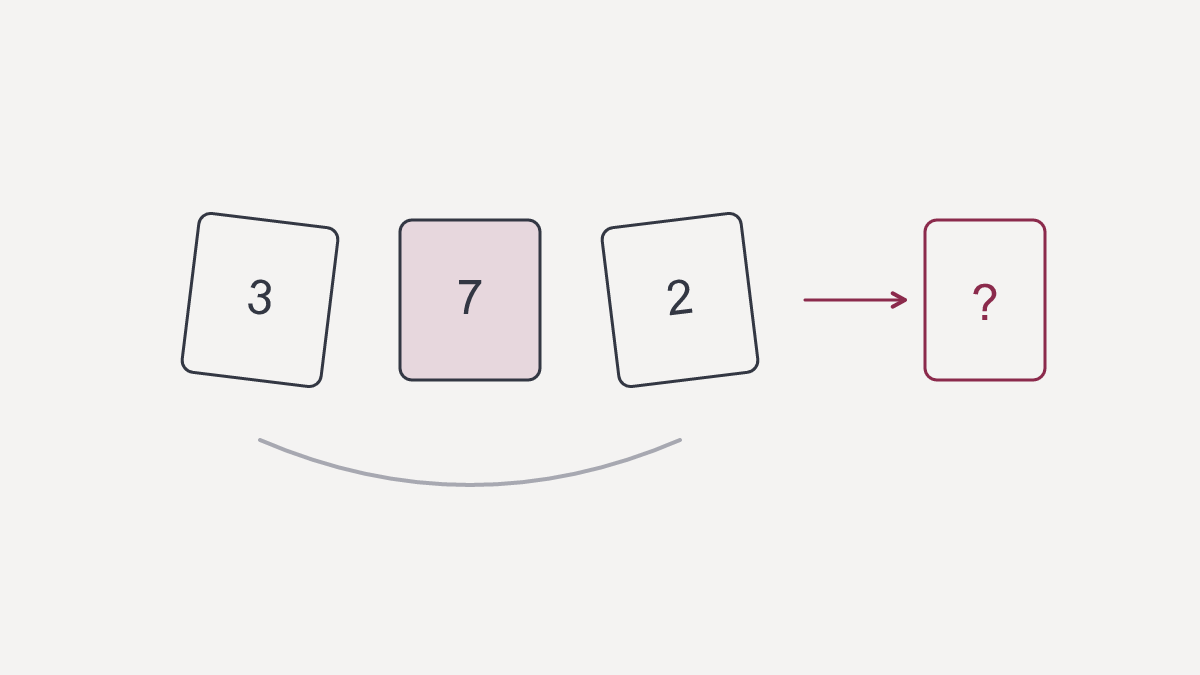
| Repeating a short sequence | Keep information available briefly. |
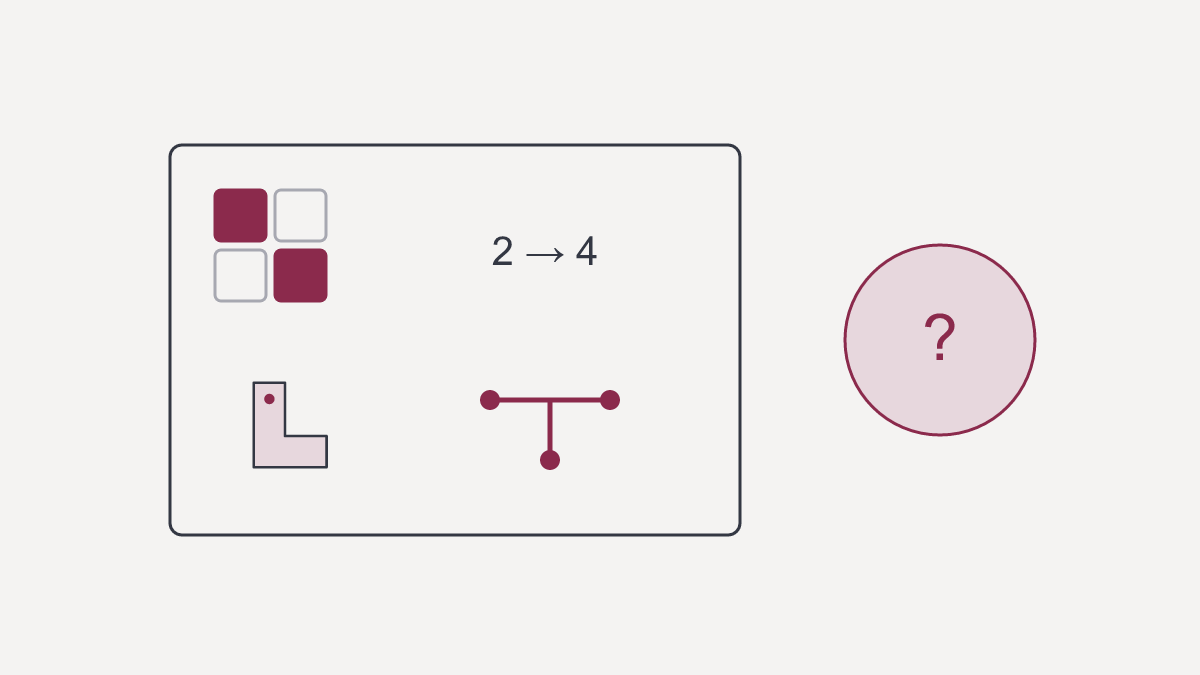
| Following a multi-step calculation | Maintain and manipulate information while working. |
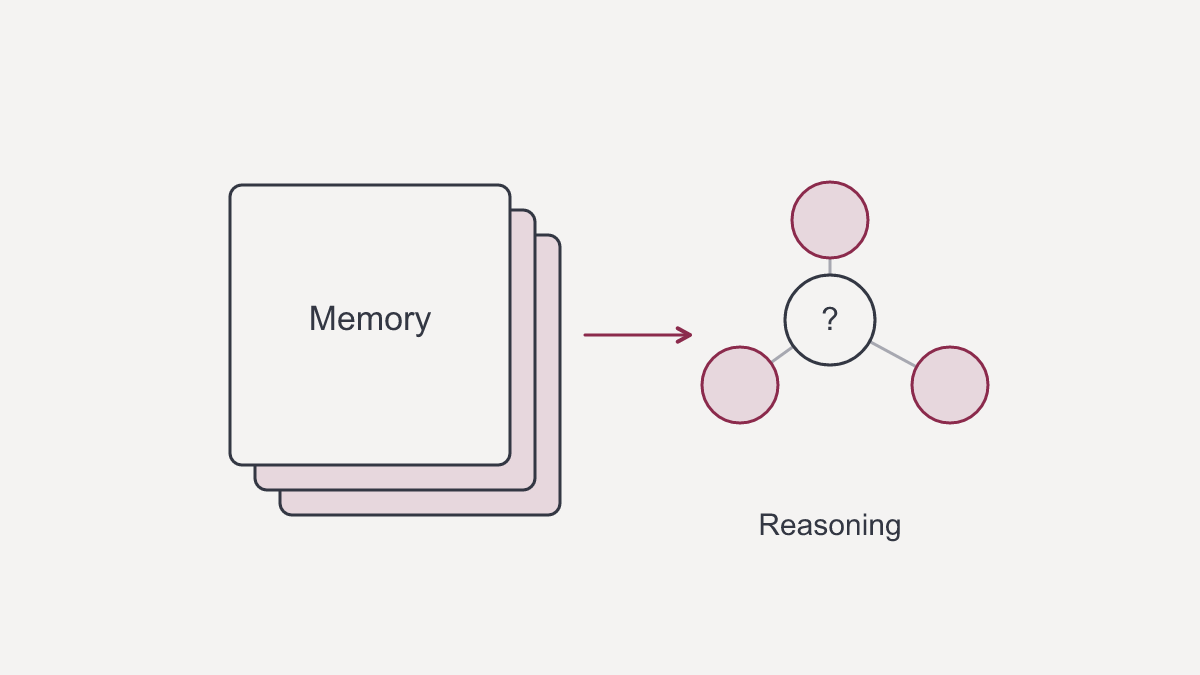
The last example involves working memory. The NIMH description emphasizes active maintenance and flexible use of task-relevant information, rather than treating memory as a single storage container.
Knowledge can look like instant reasoning
An experienced cook may immediately see how to rescue a sauce. A newcomer may need to consider several possibilities. Part of the difference can be relevant knowledge that makes a pattern recognizable, rather than a universally faster mind.
The same applies to puzzles. If you have seen a particular sequence rule many times, identifying it quickly mixes recognition with reasoning. That is why a familiar practice score does not automatically describe your performance on new tasks.
A strong memory does not guarantee every answer
You can remember all the facts in a problem and still apply an invalid rule. Conversely, you may understand a relationship but lose track of an intermediate value. Those errors point toward different parts of the task.
Try explaining both what information was needed and what operation connected it. “I forgot the second condition” is a more useful observation than “my intelligence is bad.” So is “I remembered the conditions but reversed the implication.”
What a memory game tells you
A number-memory game gives feedback on that game under its rules. It is influenced by sequence length, presentation time, strategy and familiarity. It does not provide a universal conversion to IQ.
Use starp's brain games to explore individual challenges and the reasoning test to try a broader mix of question types. Read both as records of specific performances. Neither your best remembered fact nor your most frustrating forgotten name is a complete measure of how you think.