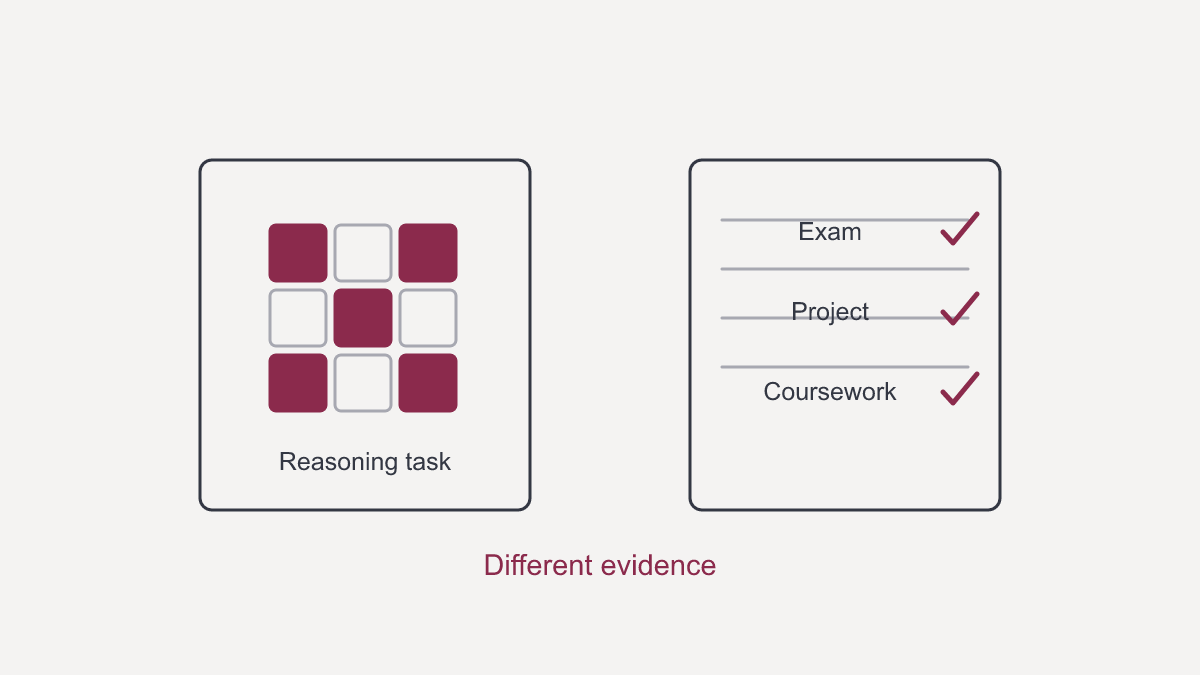
Two measurements with different jobs
| IQ assessment | Course grade |
|---|---|
| Samples defined cognitive tasks. | Summarizes work within a curriculum. |
| Uses a test-specific scoring system. | Uses a teacher's or institution's assessment rules. |
| Usually reflects a limited testing session. | May combine exams, projects and ongoing coursework. |
Borghans and colleagues examined IQ, grades and achievement tests across several datasets. Their findings support the importance of both cognitive ability and personality-related factors in explaining educational performance. A single measure does not substitute for all the others.
Diagnose the academic problem specifically
Imagine a student who understands a mathematics explanation but loses marks because homework is late. More explanations of the same concept may not address the main obstacle. Another student submits everything but repeatedly misuses fractions; that calls for work on the prerequisite skill.
Start with the actual marked work. Separate knowledge errors, misunderstood instructions, incomplete work and time constraints. This gives you a clearer next step than debating whether the student is “really smart.”
High grades do not make IQ irrelevant
Different evidence can be useful for different questions. Grades show what a student has accomplished within a course. An appropriately administered cognitive assessment can answer particular questions about a cognitive profile. The purpose should determine the measure.
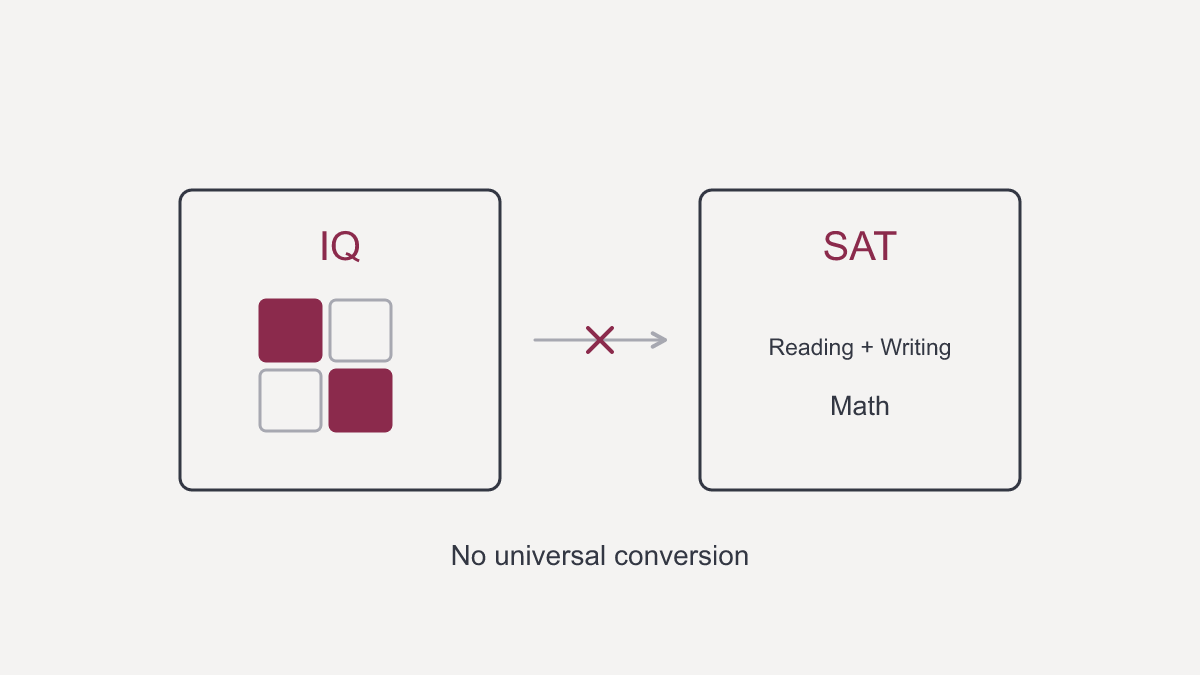
Neither result should be converted into the other with an online formula. A grade of 90% is not an IQ percentile, and a high IQ does not automatically demonstrate mastery of chemistry or history.
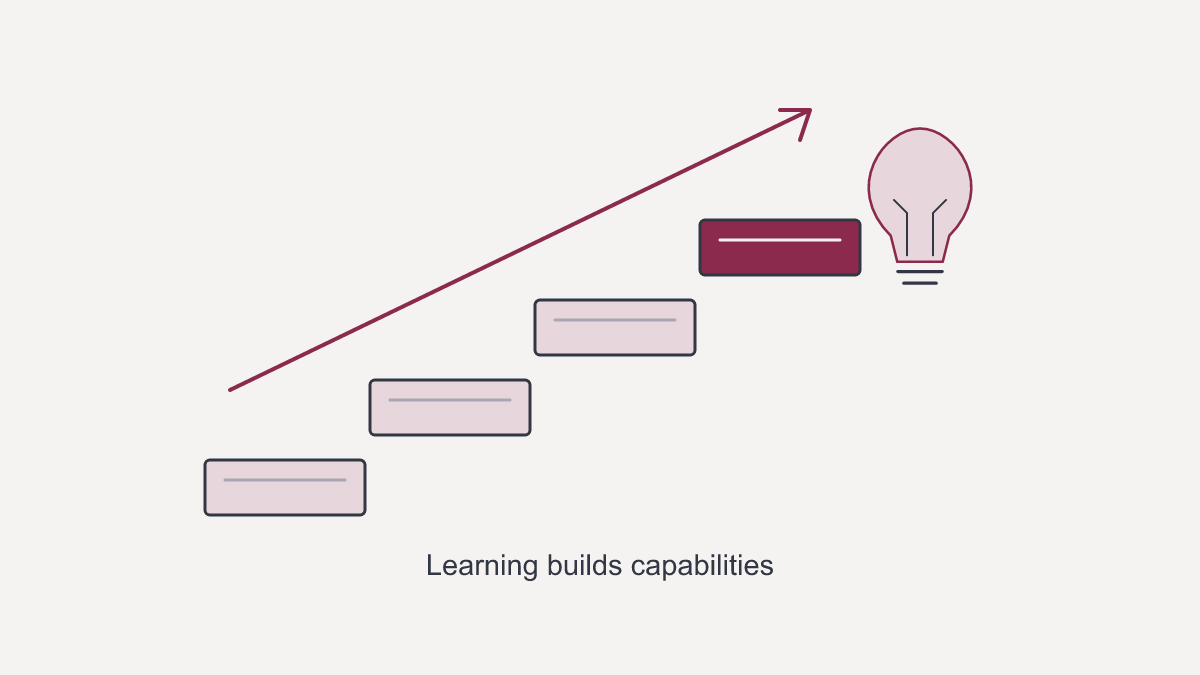
A better improvement target
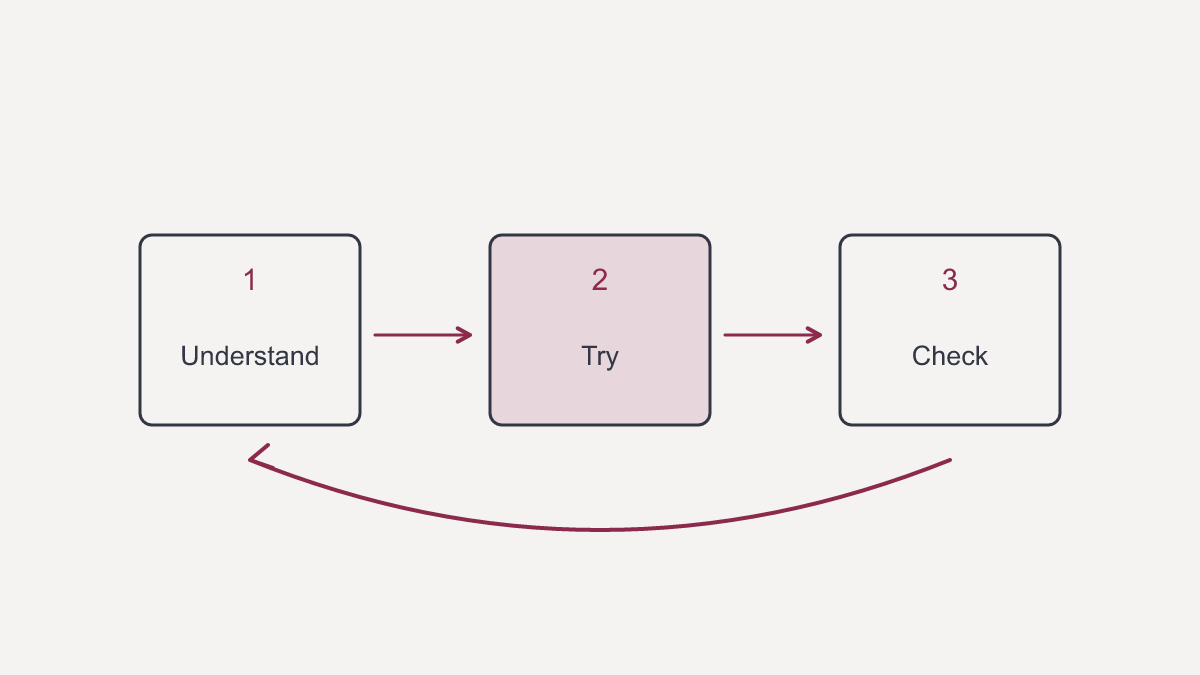
Choose one recurring source of lost marks and address it for the next assignment. That might mean revising a misunderstood concept, starting earlier or practicing under the actual exam format. Compare the relevant work afterwards.
starp offers a short reasoning assessment for personal insight; it is not an admissions credential or a school-placement decision. Use your academic work and qualified educational guidance for those purposes, and use curiosity about your reasoning to support learning rather than label your potential.