Why a simple comparison is not enough
If graduates score higher than people who left school earlier, several explanations are possible. Schooling may help develop cognitive skills, initial differences may influence educational choices, and other circumstances may affect both. Comparing the two groups alone does not separate those possibilities.
Ritchie and Tucker-Drob combined evidence from 42 datasets involving more than 600,000 participants. Their analysis found beneficial effects across different designs, with estimates of roughly one to five IQ points per additional year of education. That range summarizes studies; it is not a personal points calculator.
What the result does not promise
You cannot multiply years of any course by the largest estimate and predict a new IQ. The evidence concerns particular populations, educational settings and assessments. A weekend workshop is not equivalent to the schooling changes studied.
The result also does not mean everyone starts in the same place or receives identical benefits. Education can matter while variation between people remains.
What could learning change?
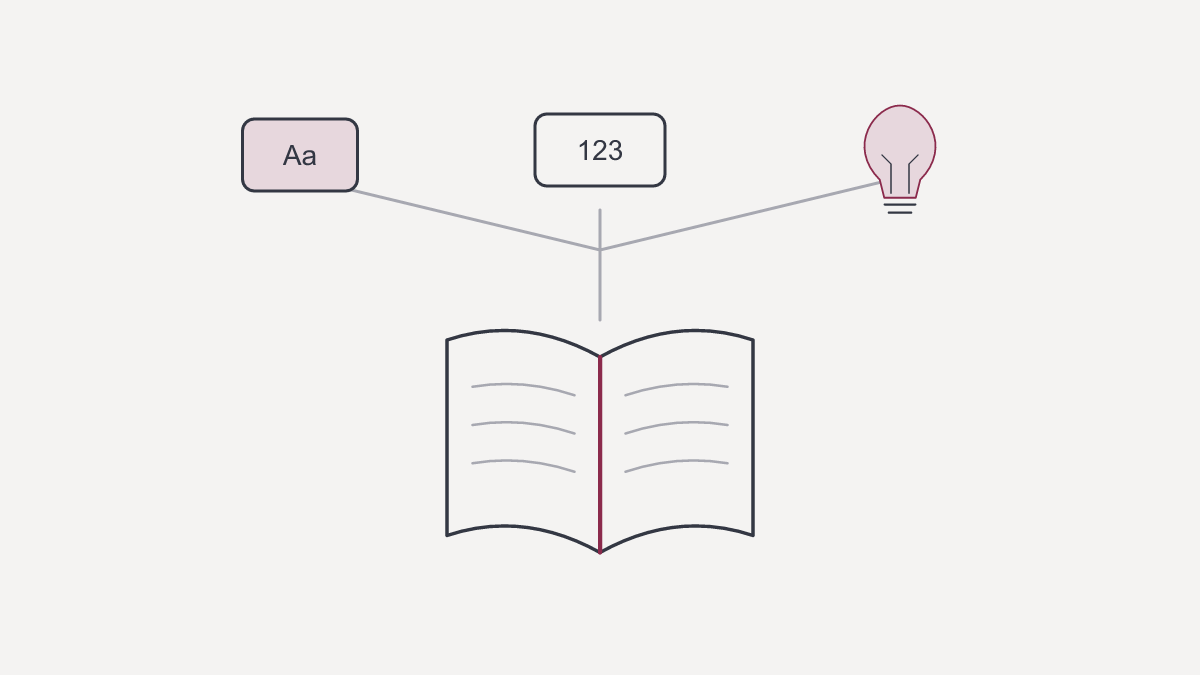
Schooling gives repeated opportunities to work with symbols, language, quantities and unfamiliar problems. It also builds knowledge that can make later reasoning more efficient. The relative contribution of these experiences depends on what a test asks you to do.
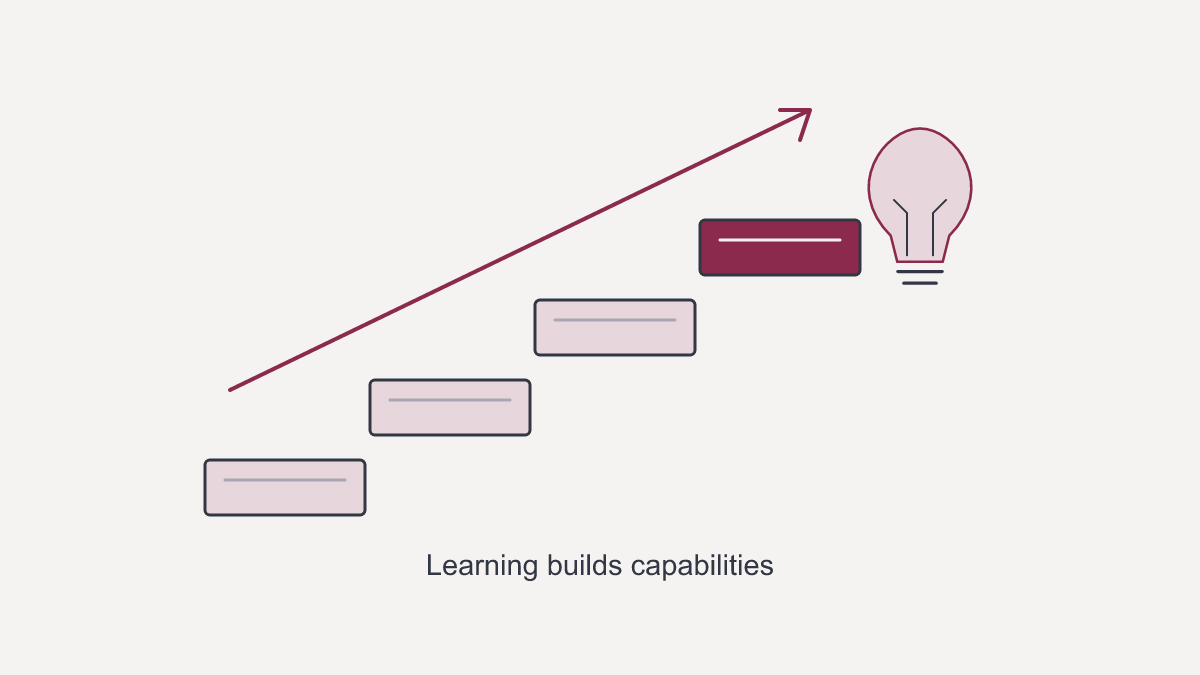
For a learner, the most useful target is a capability: explain a scientific claim, compare ratios, interpret a graph or write a coherent argument. Those goals are directly observable, whereas trying to increase a general score can obscure what you actually learned.
Apply the idea without chasing a number
Choose a subject, establish your starting point and practice using new knowledge on unfamiliar examples. Check your understanding after a delay. An improved explanation or a new skill is worthwhile even when you never take another IQ test.
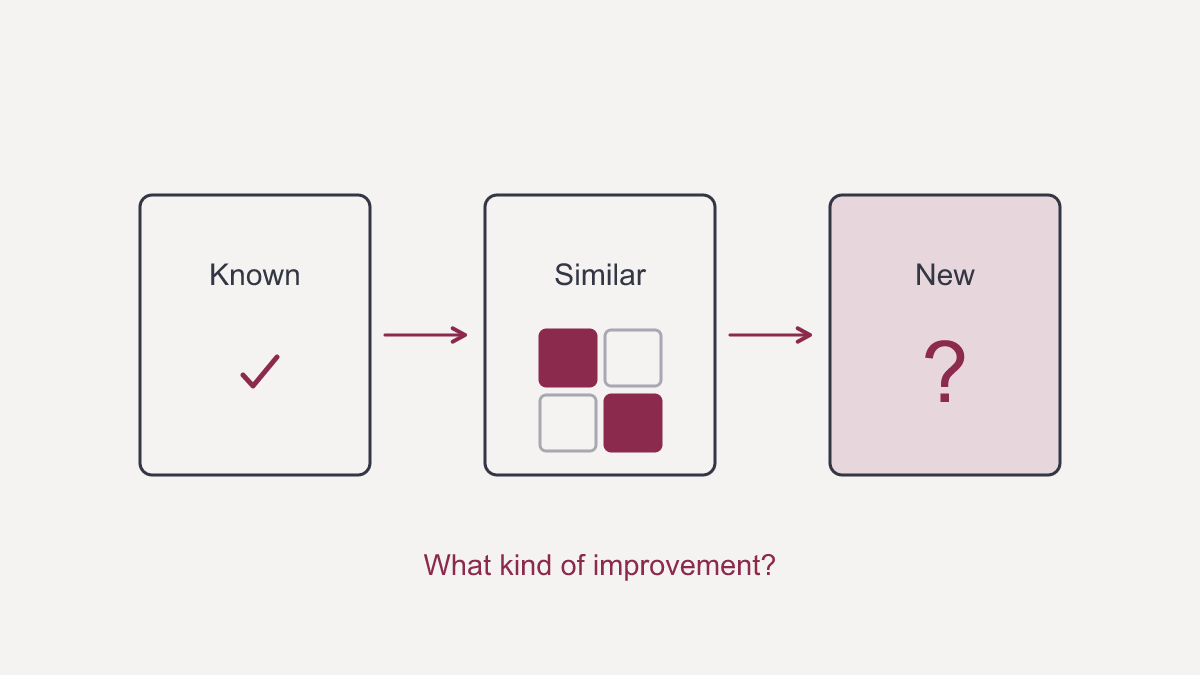
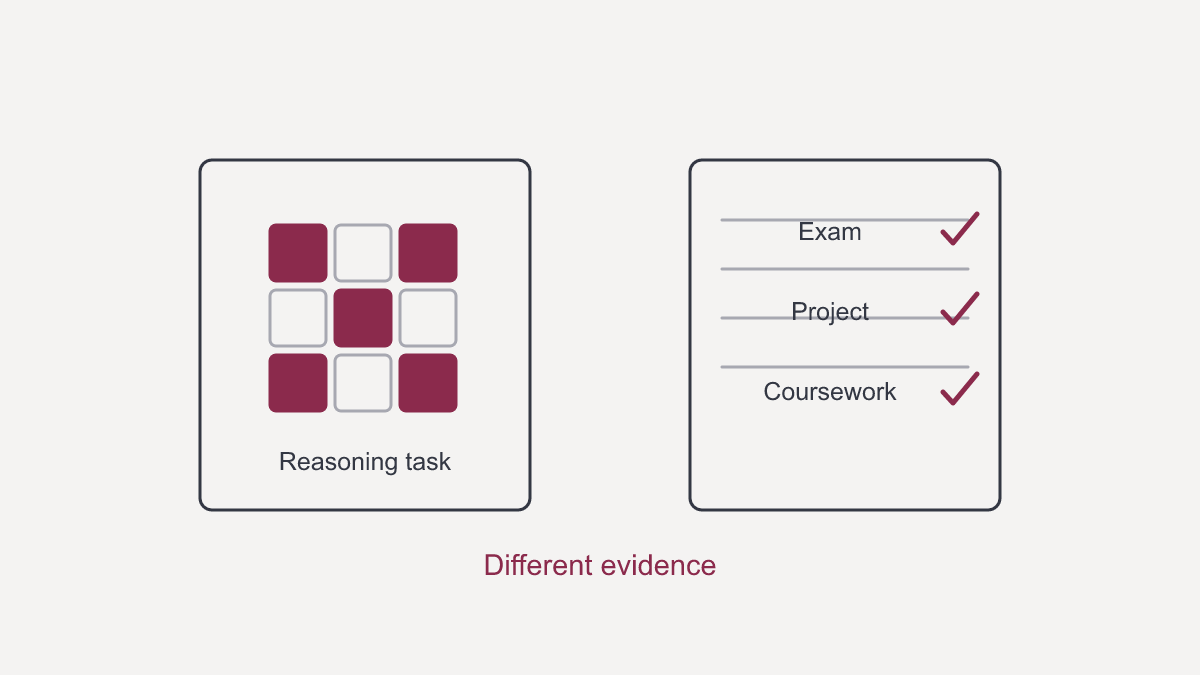
If you do compare test scores, account for familiarity and test differences. Education research and practice effects address different kinds of change. Treating them separately gives you a clearer picture of what an improvement might mean.