What the research question really is
A longitudinal study of identical twins by Ritchie and colleagues linked differences in reading ability with later differences in intelligence. A subsequent reanalysis argued that stable influences shared across development could explain some of that pattern. Together, these papers illustrate why an association does not settle the causal question by itself.
Neither paper provides a formula such as “one novel equals two IQ points.” The useful conclusion for a reader is narrower: reading development and cognitive development are connected, while the direction and size of specific effects require careful study.
Knowledge makes later reading easier
Suppose you read a short introduction to probability. The next time you encounter “base rate,” you can connect it to an existing idea instead of decoding everything from scratch. A larger vocabulary can similarly make a difficult passage more accessible.
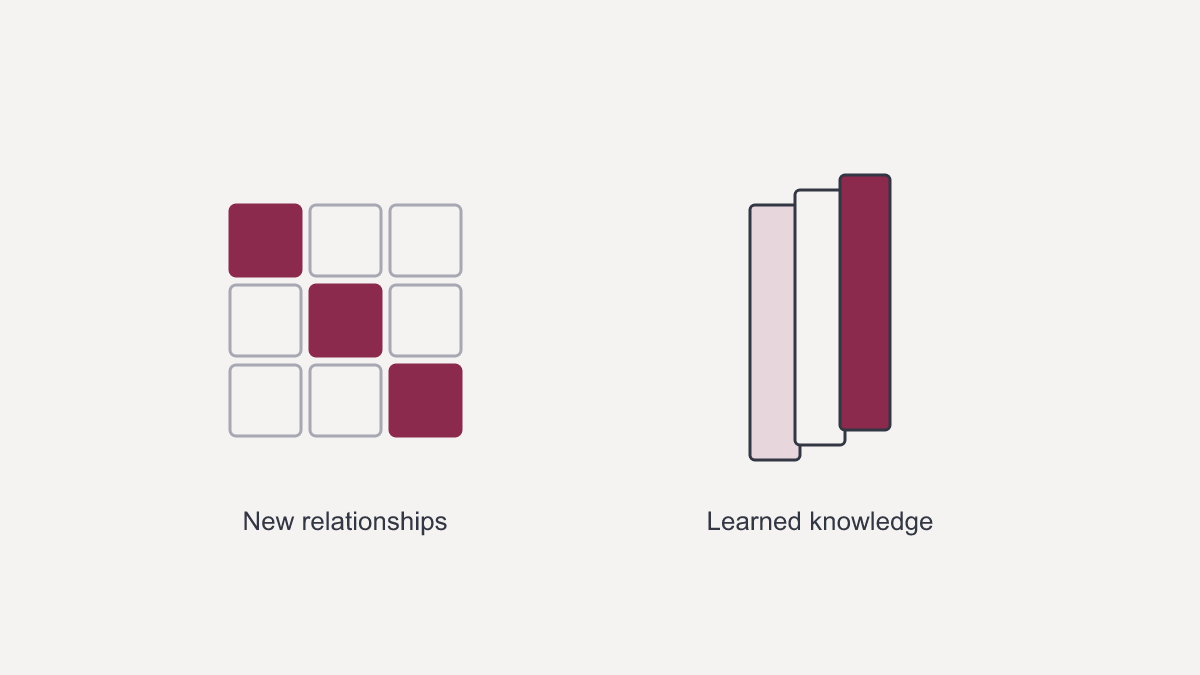
This is one reason to distinguish crystallized knowledge from fluid reasoning. Learning the language of a topic is a real improvement even if an unrelated visual-puzzle score stays the same.
Read for a purpose, then check understanding
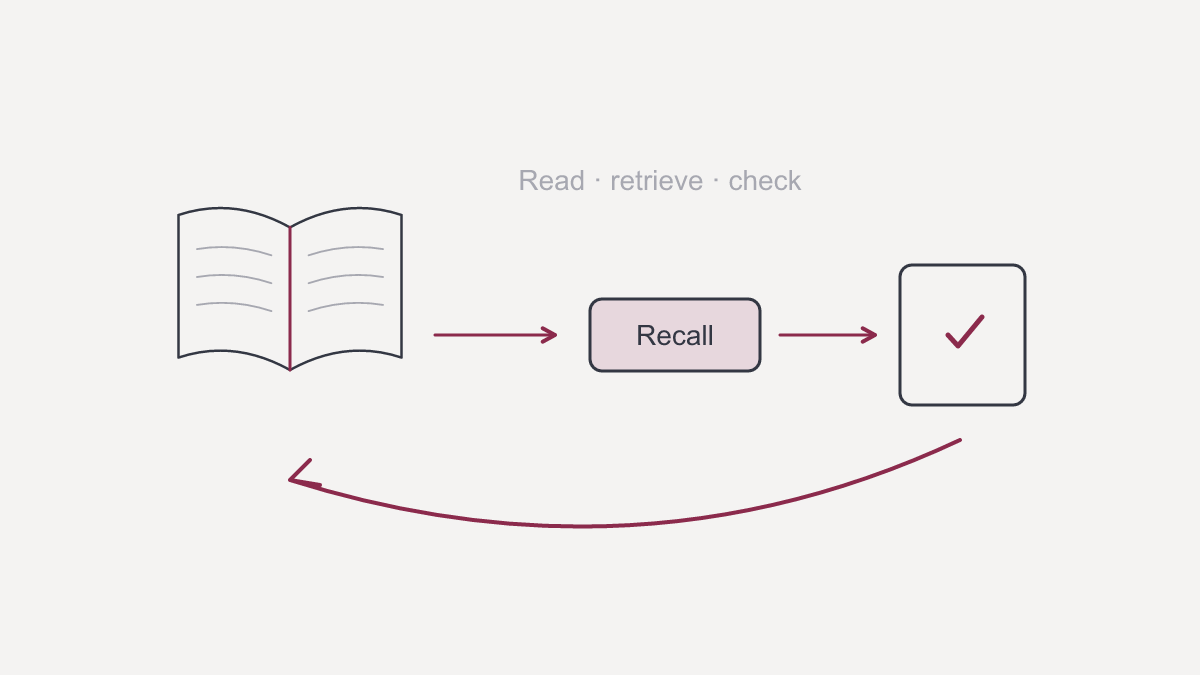
Before opening a chapter, identify a question you want it to answer. Afterwards, explain the answer without copying a sentence. If you cannot, return to the precise section that was unclear. This gives you better feedback than counting pages alone.
Vary the challenge. Material that is entirely familiar offers little new information; material with too many unexplained terms may leave you guessing. A glossary, introductory guide or worked example can bridge that gap.
Fiction, nonfiction and test performance
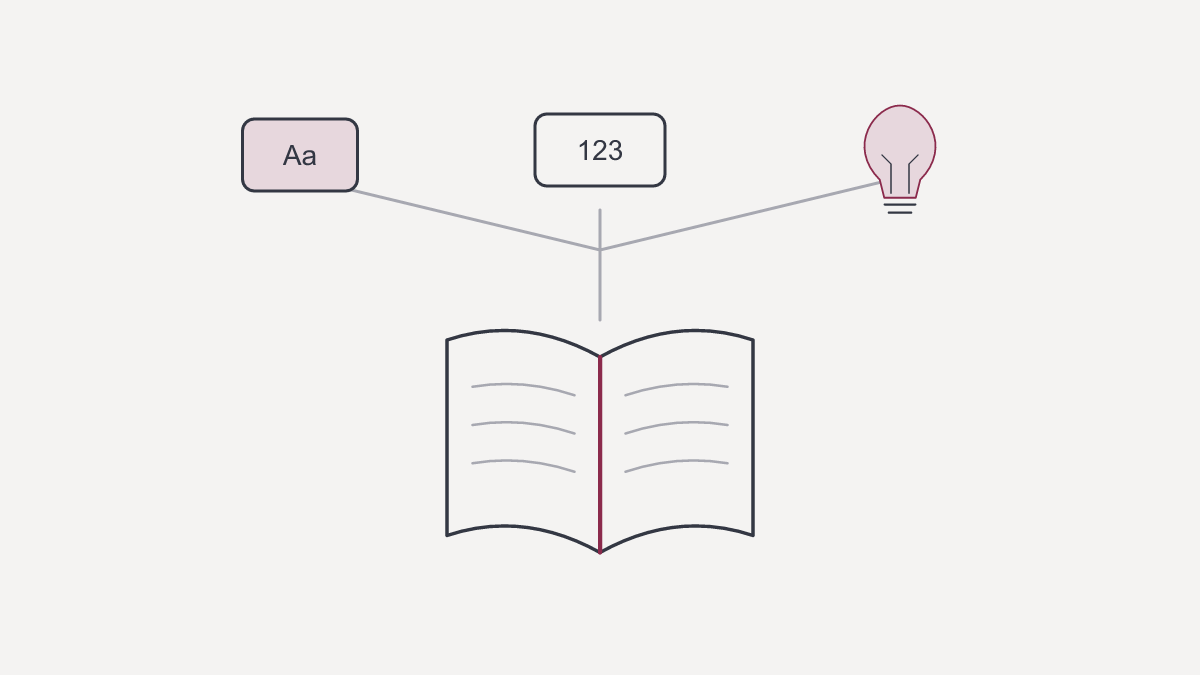
Different books ask you to do different things: follow motives, compare evidence, visualize a setting or understand a technical process. There is no universal ranking that makes one genre the “highest IQ” choice.
Read broadly enough to stay curious and deeply enough to understand something. If your immediate goal is an assessment, also learn its format. Reading a good book and practicing a visual matrix are worthwhile activities, but they prepare you for different demands.