What is being called creativity?
Generating unusual uses for an object, producing a scientific discovery and composing music are different outcomes. A study of one should not be treated as a complete explanation of the others.
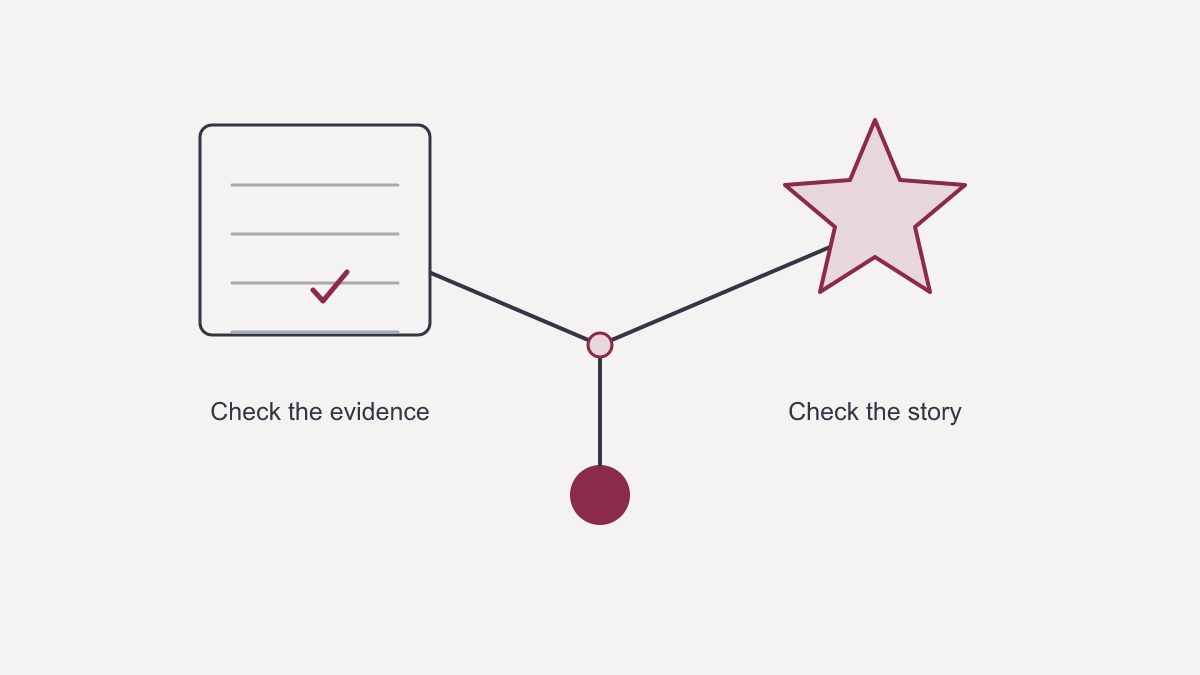
Karwowski and colleagues' meta-analysis found a modest positive association between intelligence test performance and creative achievement, with differences across domains. The finding supports some overlap, not a single score that guarantees creativity or a sharp threshold above which everyone is equally creative.
Try the difference yourself
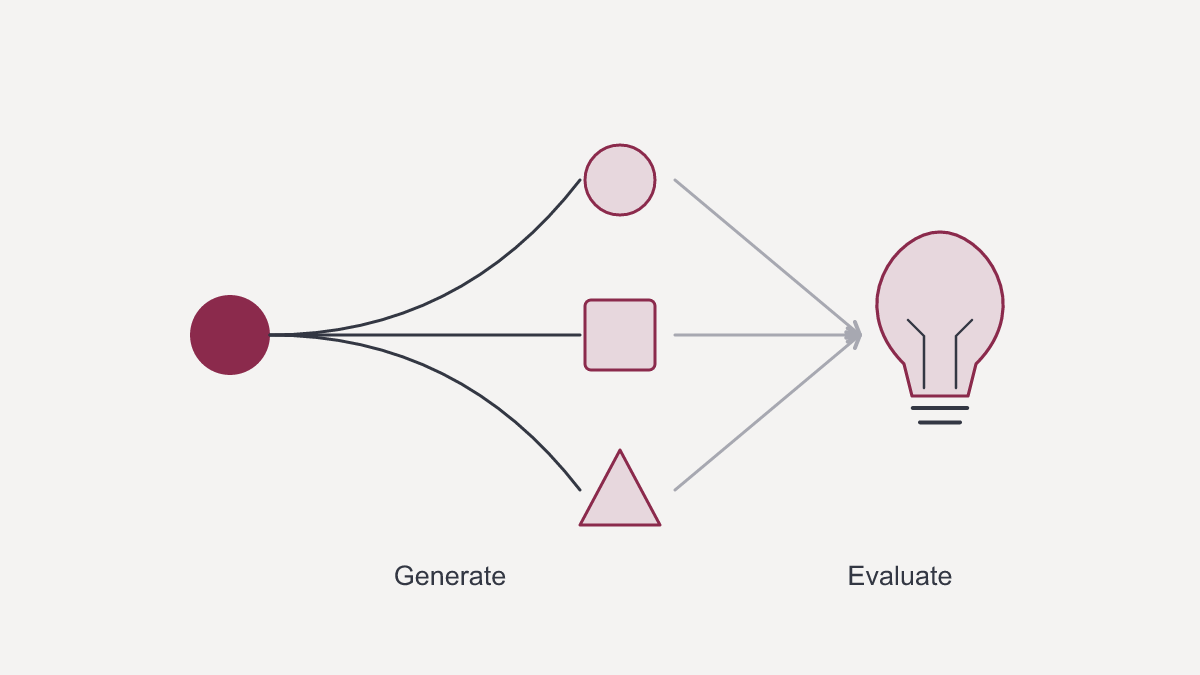
Consider two tasks. First, list several ways to help a visitor navigate a small museum. Second, choose the best design given a fixed budget, accessibility requirements and limited staff time.
The first rewards variety. The second rewards evaluation against constraints. A long list without selection can be unhelpful; a technically correct plan with no alternatives may overlook a better approach. Good creative work often needs both phases.
Knowledge gives ideas somewhere to go
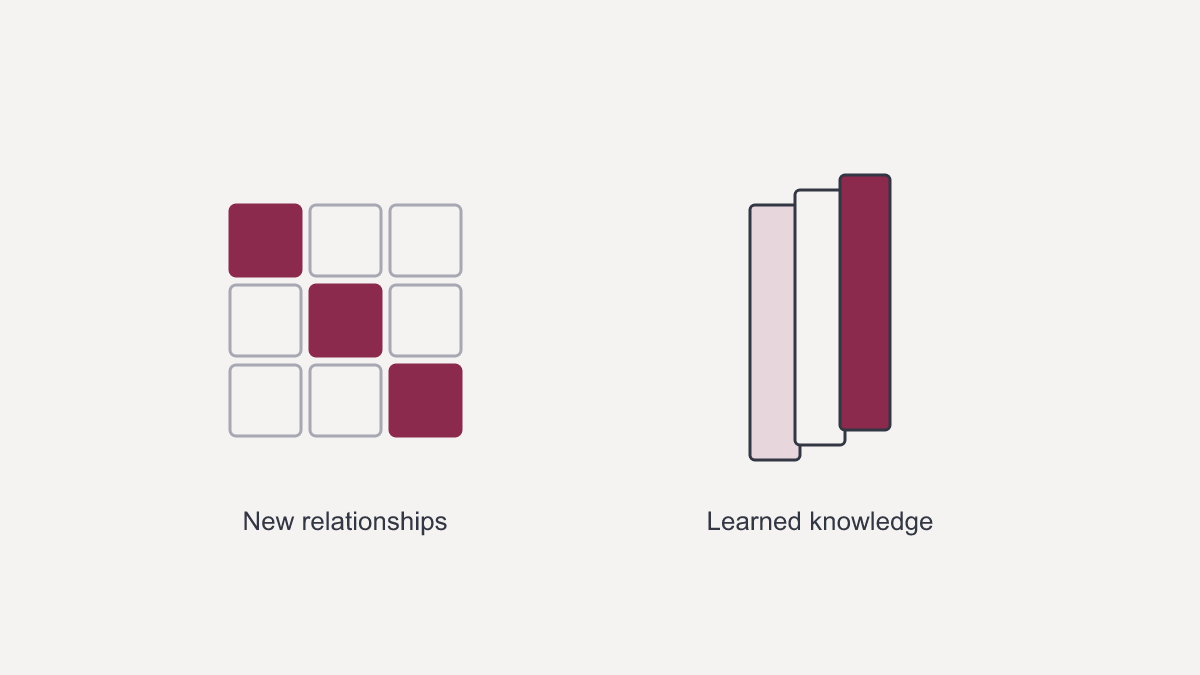
In an unfamiliar subject, it is easy to propose something that has already been tried or violates a basic constraint. Learning the field provides material to combine and a way to recognize a useful departure from the usual approach.
That does not make beginners incapable of original ideas. It means that evaluating novelty requires context. Ask what is new to you, what is new to the audience and what is new within the field.
How to assess your own progress
Keep several drafts or alternatives, state the constraints and ask for feedback on the result. Compare what improved: clarity, usefulness, originality or execution. A single “creativity score” can hide these separate achievements.
starp's reasoning questions have defined solutions. They can be interesting challenges, but they do not measure the full range of creative expression. If a result surprises you, use it to explore how you solve that kind of problem while continuing to judge creative work on what you make.