Intelligence does not erase myside bias
Stanovich, West and Toplak reviewed research on myside bias: evaluating evidence in ways that favor your existing position. Avoiding this bias was not reliably captured by ordinary intelligence measures. This helps explain why a fluent, technically skilled argument can still be selective.
The finding does not mean intelligence is useless. It means that applying a skill well also requires choosing the right problem and being willing to notice an unwelcome answer.
A decision with an attractive story
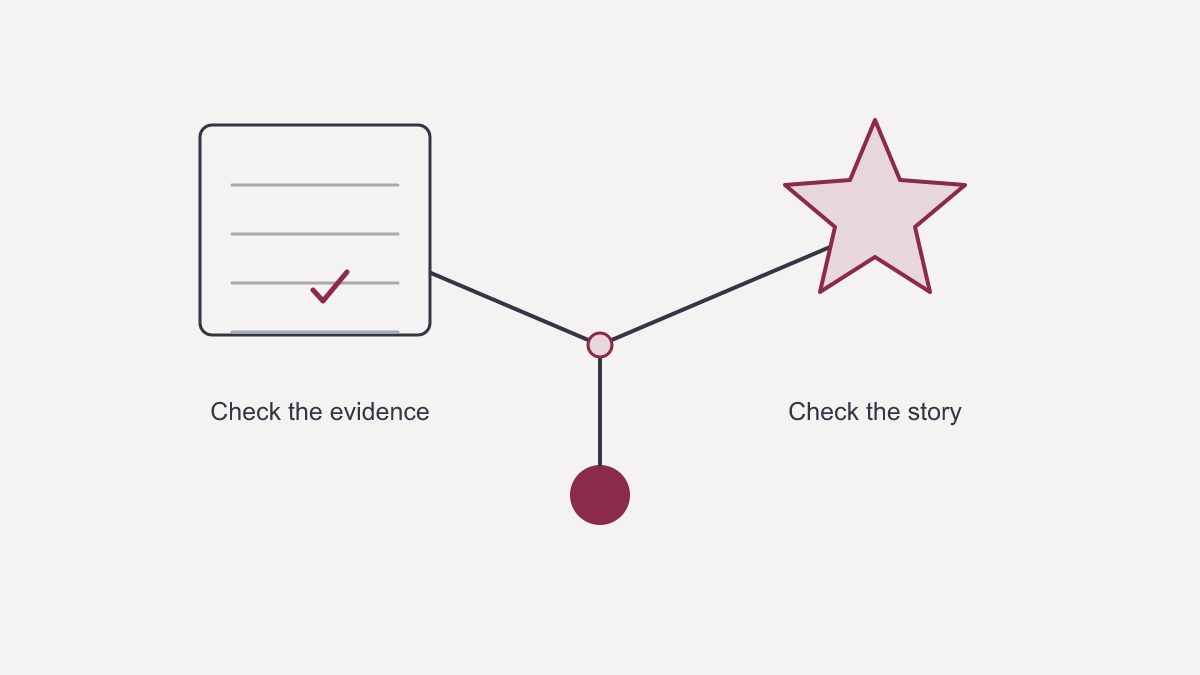
Imagine choosing between two courses. One has an impressive success story from a graduate; the other publishes completion rates, costs and typical outcomes. The story may be true, but it does not tell you how common that experience is.
A useful comparison asks the same questions of both options. How were outcomes measured? Who was included? What happens to people who leave? When you use different standards for the option you already like, even careful arithmetic can support a biased choice.
Build a check into the process
- Write the decision and your goal in one sentence.
- List the strongest reason your preferred option might be wrong.
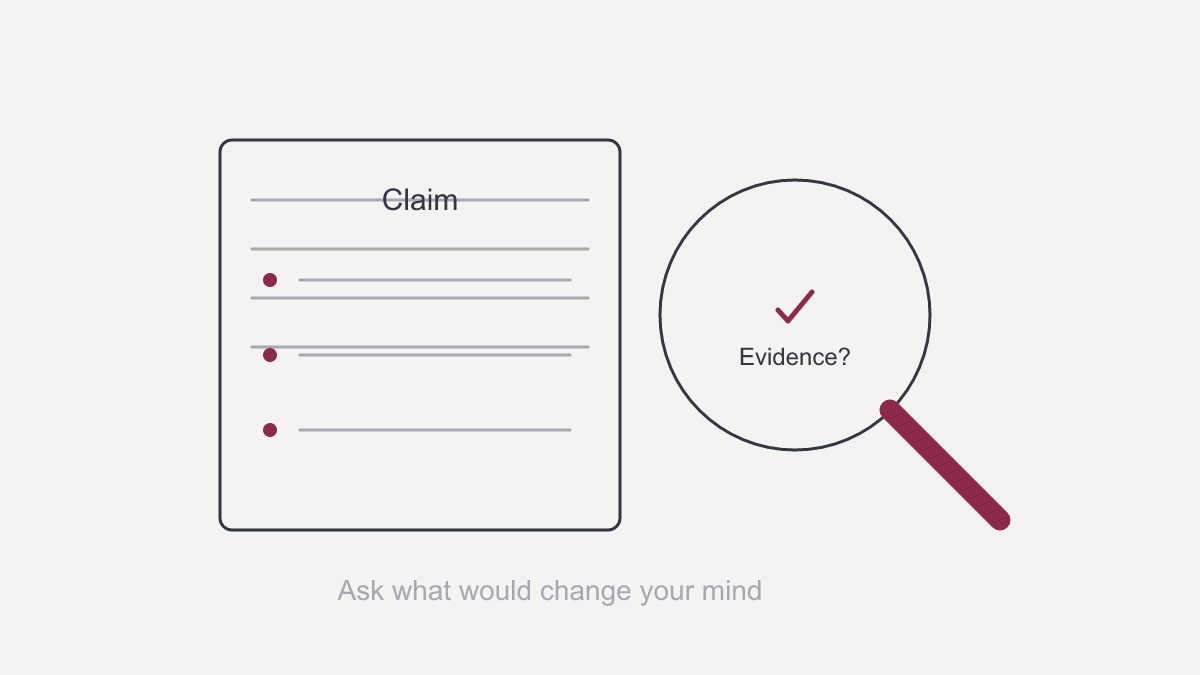
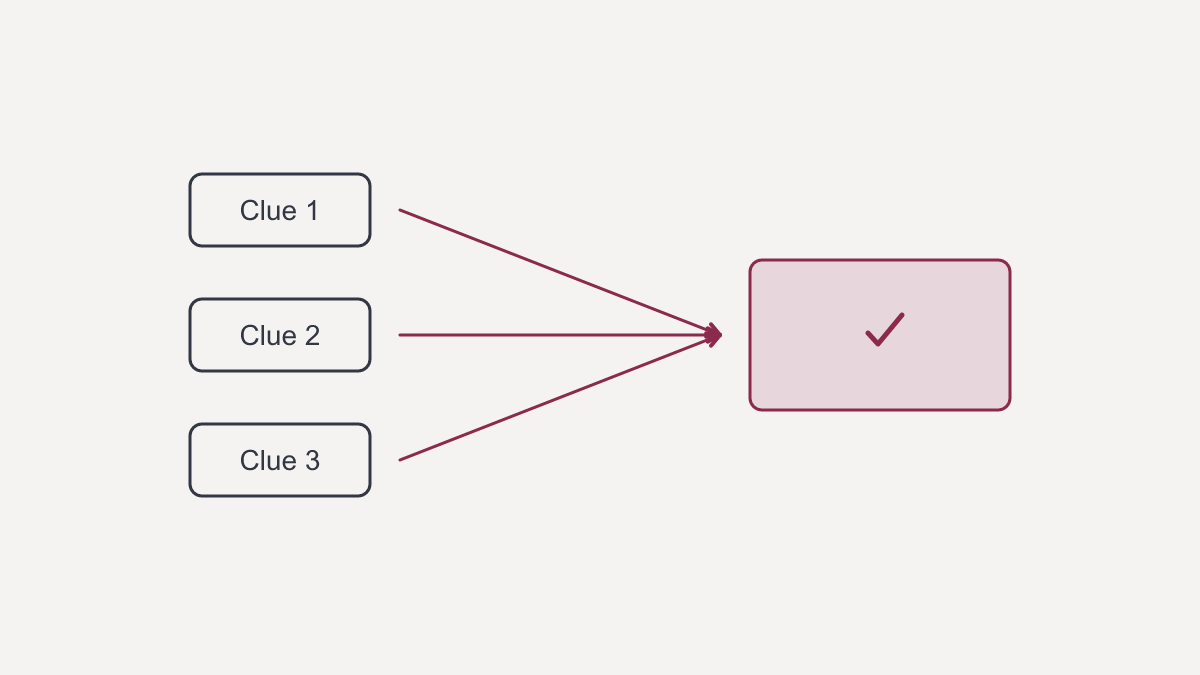
- Look for information that could change the choice.
- Compare alternatives using the same criteria.
This is a practical checklist, not a validated test of rationality. Its purpose is to make your reasoning inspectable rather than relying on confidence alone.
A good outcome is not always a good decision
An uncertain choice can work out through luck, and a well-reasoned choice can still have an unfortunate outcome. Judge the process using what was knowable at the time, then update it with new evidence.
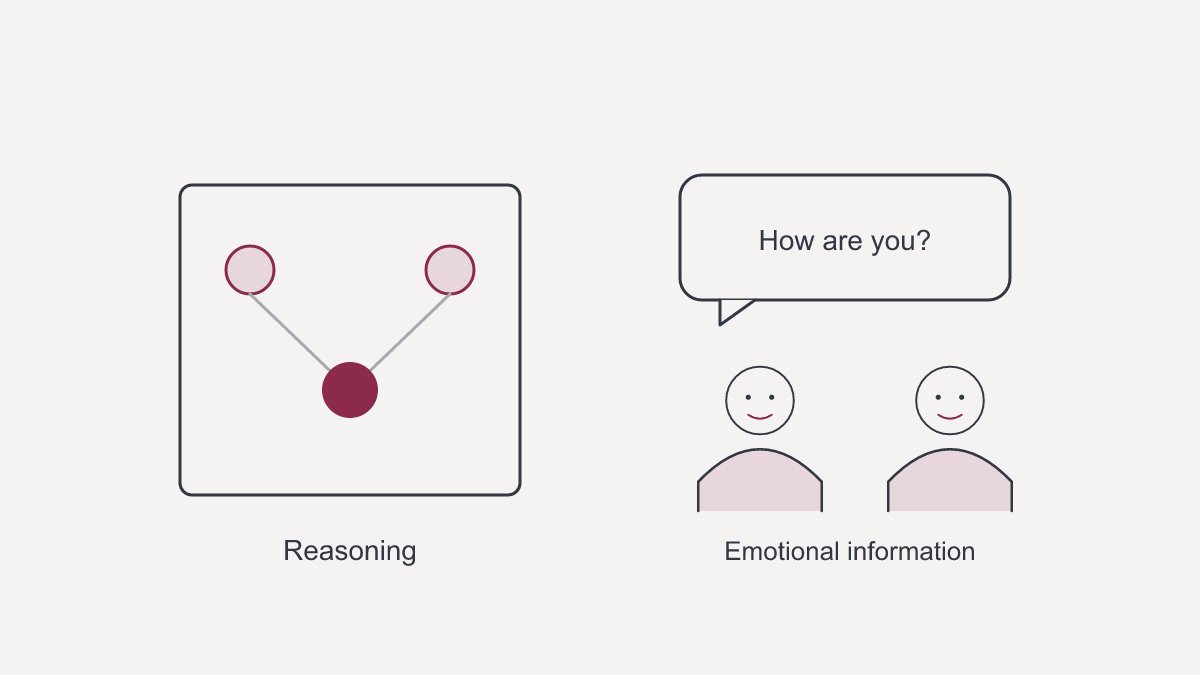
An IQ test samples how you handle specified cognitive tasks. It does not observe every decision habit you use in everyday life. For a closer comparison, read critical thinking versus intelligence, which focuses on how to evaluate a claim rather than how impressive its author sounds.