Solving the problem versus checking the premise
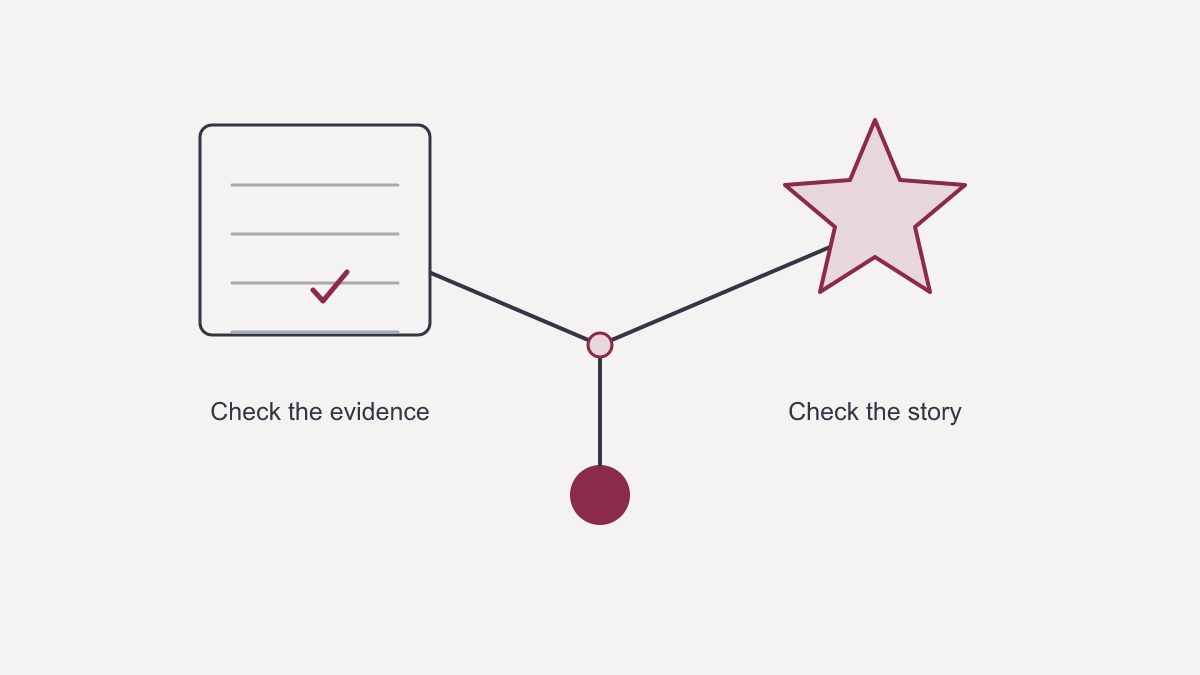
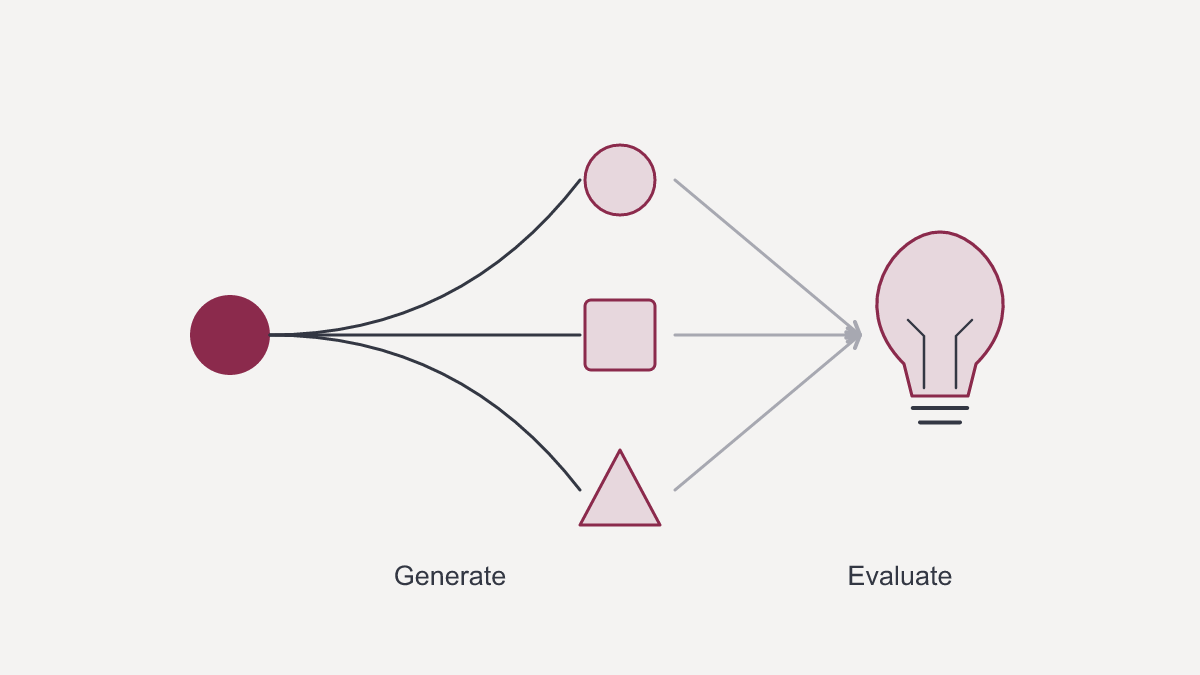
A puzzle may give you a rule and ask what follows. An everyday claim may require you to decide whether the rule is credible in the first place. Both involve reasoning, but the second also requires attention to sources and alternative explanations.
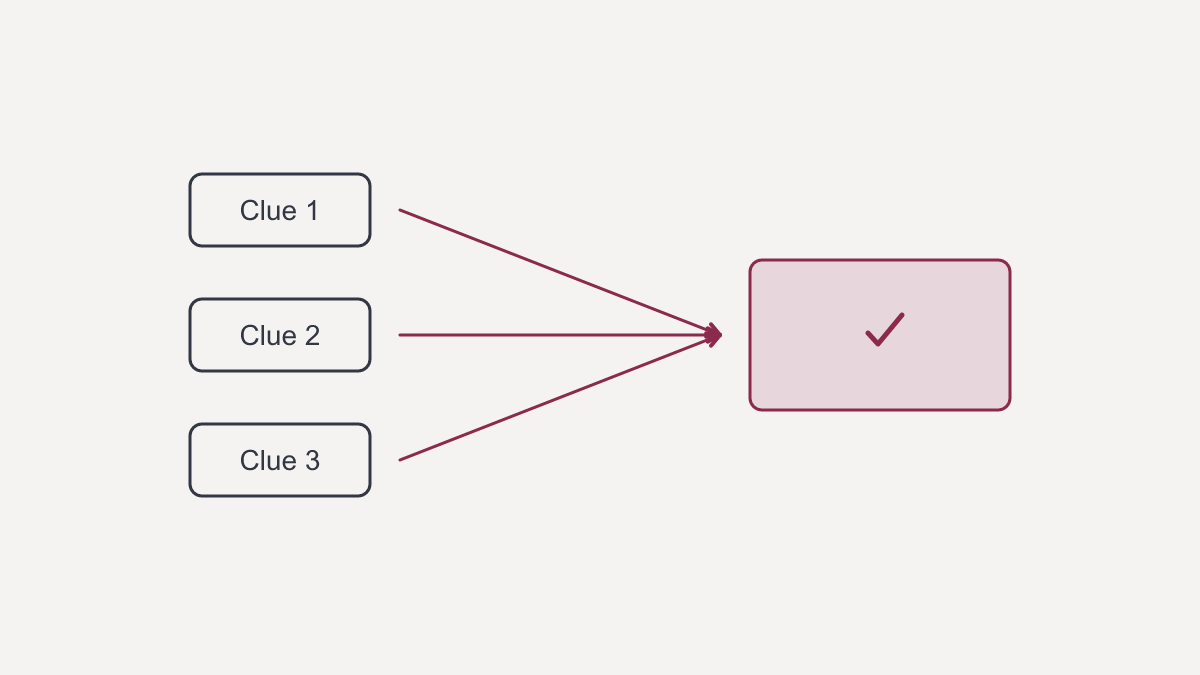
For example, “Everyone who used this study app improved” sounds persuasive. Ask how improvement was measured, who stopped using it, whether users had other preparation and what happened in a comparison group.
Ability does not ensure impartiality
Research on myside bias by Stanovich and colleagues shows why intelligence alone does not guarantee balanced evaluation. A capable thinker can use their skill to defend an existing position rather than examine it fairly.
This is a reason to build checks into the process, not to assume that careful reasoning is pointless. Make it possible for evidence to change the conclusion.
Four checks for an interesting claim
| Check | Example question |
|---|---|
| Meaning | What exactly counts as improvement? |
| Evidence | Where did the numbers come from? |
| Alternatives | What else could explain the result? |
| Relevance | Does the finding apply to this situation? |
Use the same checks for claims you like and claims you dislike. Applying strict standards only to the opposition is another form of selective reasoning.
Practice on a claim you might believe
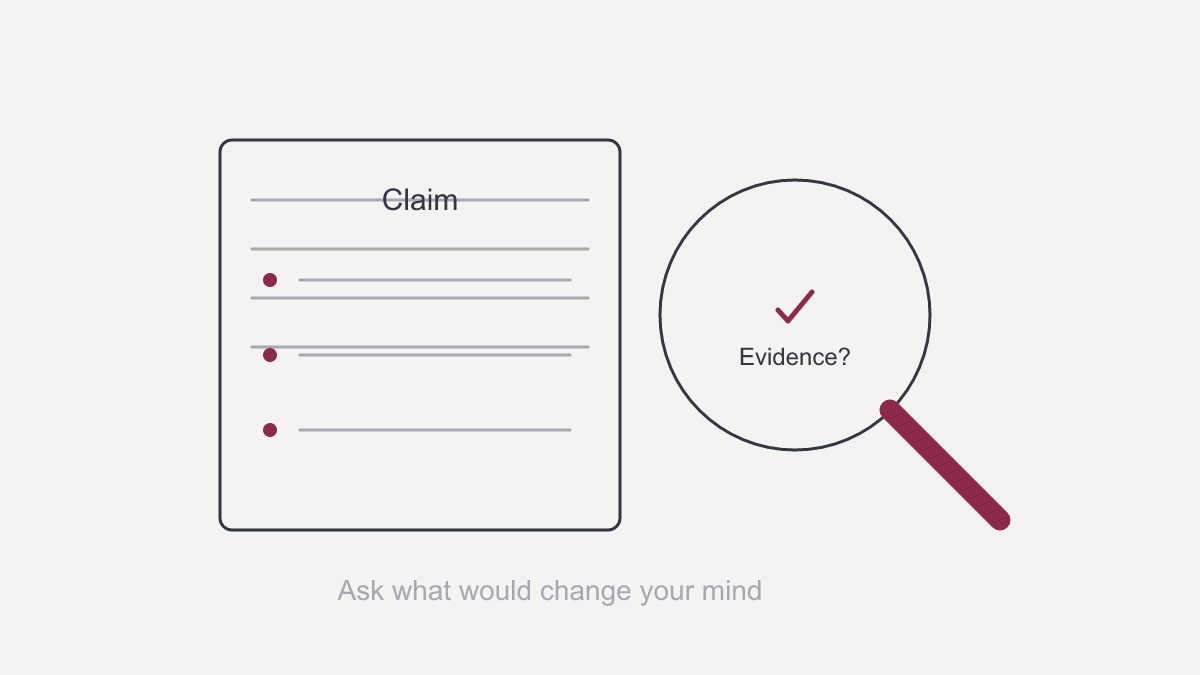
Choose a product claim, a graph or an argument in an article. Write the claim in one sentence, identify its evidence and state what would weaken it. If you cannot imagine any possible disconfirming evidence, reconsider whether you have framed a testable claim.
An IQ-style test can reveal how you handle defined reasoning tasks. It does not observe every habit involved in evaluating information outside the test. Combining problem-solving practice with explicit evidence checks gives you a more useful target than treating one number as a guarantee of good judgment.