Be clear about the measurement
Mayer, Salovey and Caruso describe an ability-based approach to emotional intelligence. This is different from simply asking people whether they believe they are empathetic or socially skilled. A self-report and a task with scored responses can reflect different information.
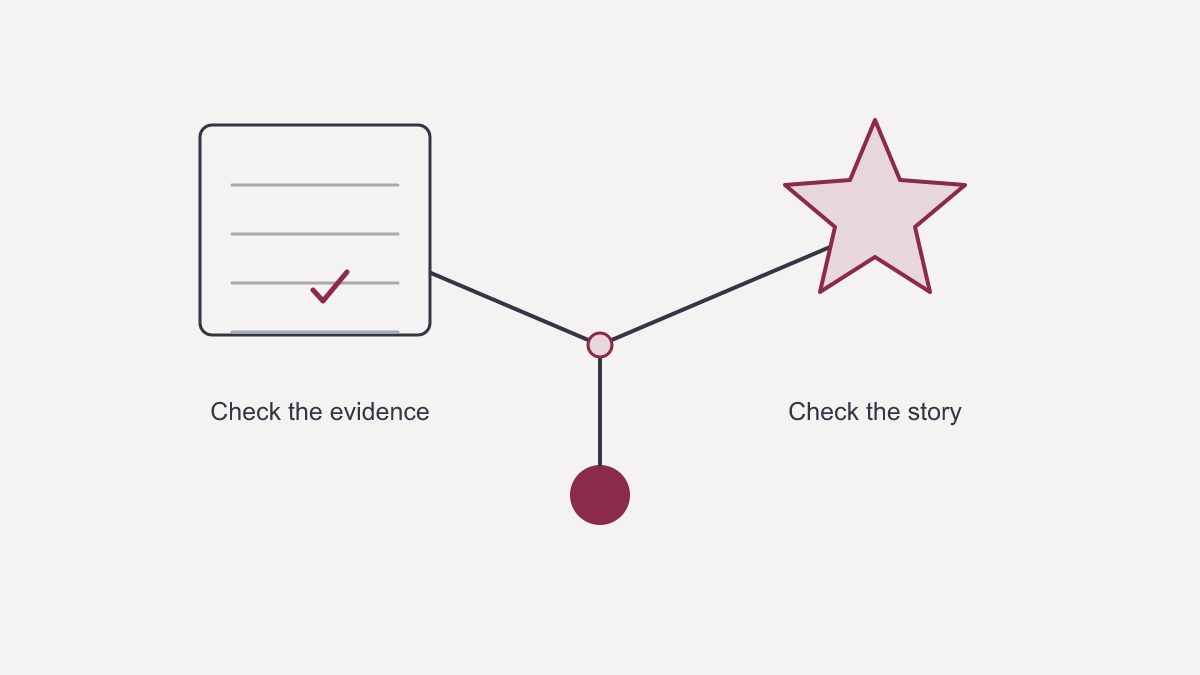
Before comparing two results, ask what the person actually did. Did they solve a problem, interpret an emotional situation, or rate their own behavior? Numbers on separate scales do not become directly comparable because both are called quotients.
A workplace example
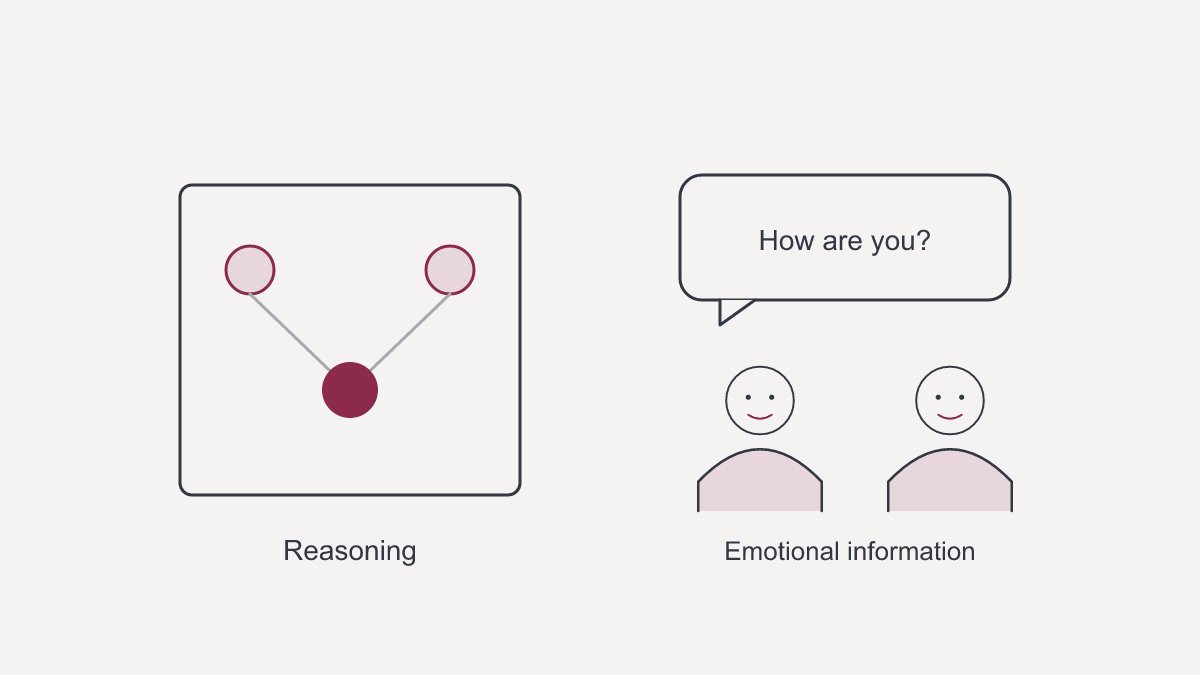
Imagine explaining a mistake to a colleague. Identifying the technical error may call on subject knowledge and reasoning. Recognizing that the colleague is embarrassed, choosing a private conversation and checking that the explanation was understood involve additional demands.
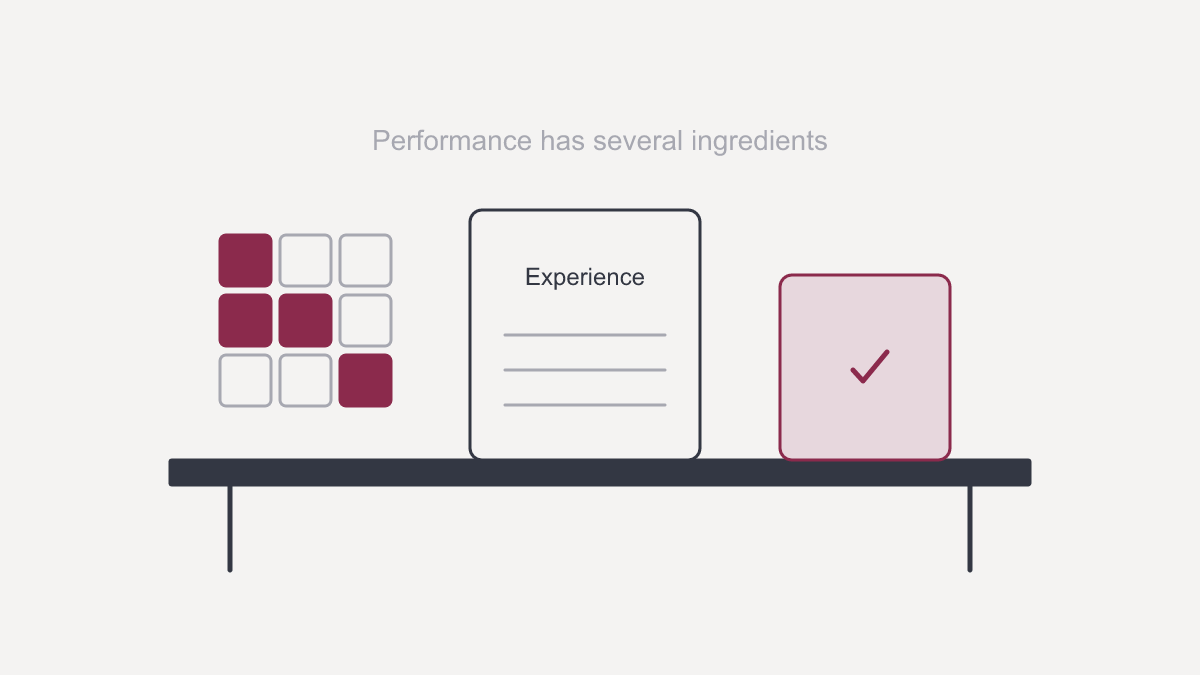
Doing one part well does not guarantee the other. It is also possible to be considerate while still giving an inaccurate technical explanation. A useful outcome requires attention to both the content and the interaction.
Which matters more?
The answer depends on the outcome and how each construct is measured. A claim that EQ is always more important than IQ—or the reverse—needs a defined task, credible measures and supporting evidence. Broad slogans erase those details.
For personal development, choose a specific behavior rather than a contest between labels. You might work on explaining an argument clearly, noticing when a conversation has become defensive, or asking a better follow-up question.
What starp measures
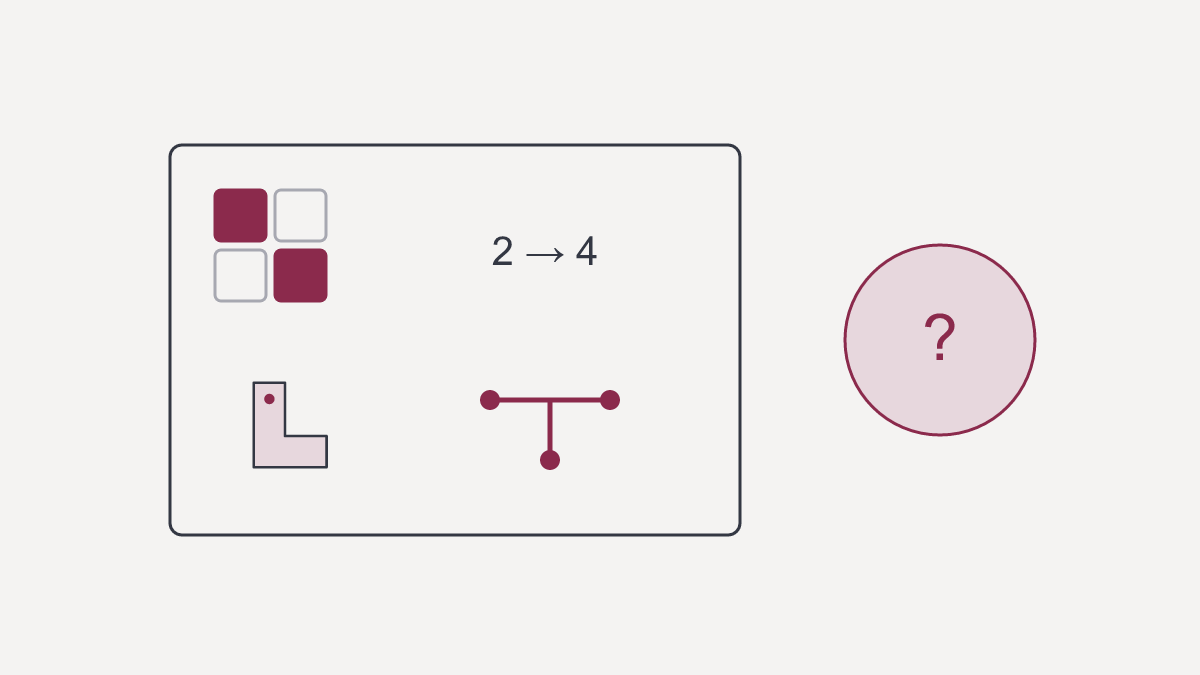
starp focuses on patterns, logic, spatial thinking and numbers. Its result does not establish emotional intelligence or the quality of your relationships. Likewise, being good at supporting a friend does not let you infer an IQ score.
Use each kind of evidence for the question it can answer. Our guide to what IQ tests measure explains the scope of cognitive assessment, while the examples here show why everyday competence involves more than a single result.