Ideas and answers are different jobs
Oppezzo and Schwartz compared walking and sitting across four experiments. Walking helped participants generate creative responses during or shortly after the activity. The results did not show an equivalent general advantage for all problem-solving tasks.
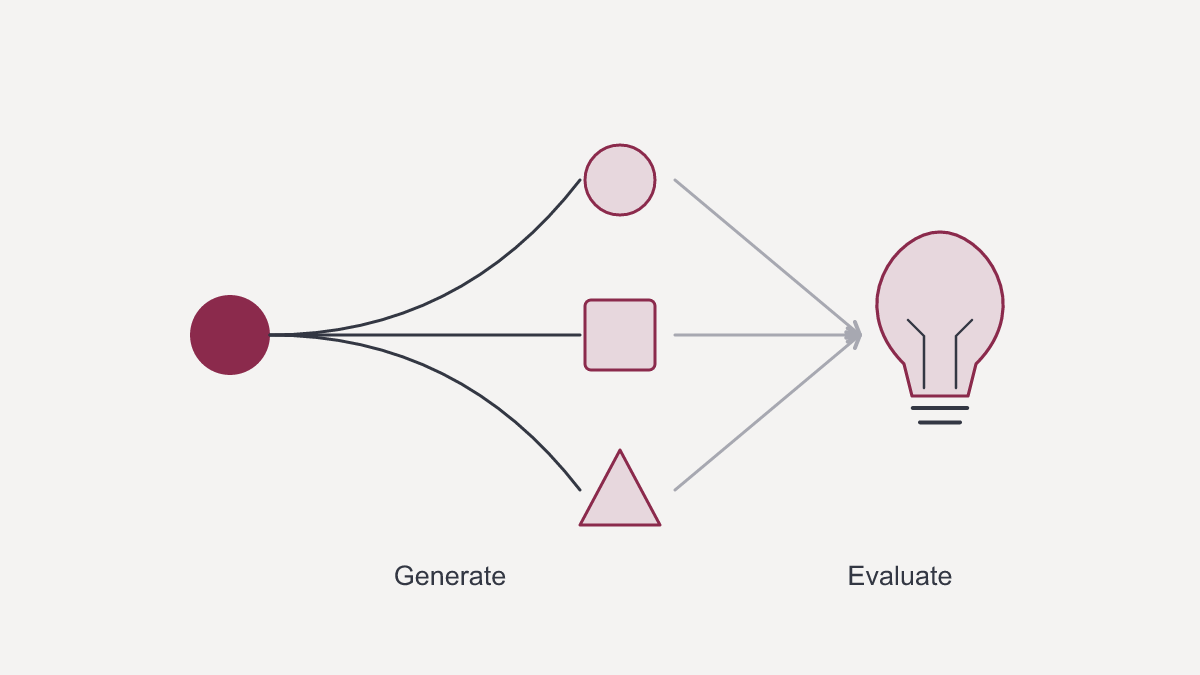
That distinction fits a practical workflow: explore possibilities first, then evaluate them. A walk might help you invent names for a project. Checking whether the chosen name is available, spelled clearly and legally usable is a separate job that requires specific information.
What to take on the walk
Start with a question broad enough to allow alternatives, such as “What are three different ways to explain this idea?” A question like “What is 17 multiplied by 24?” has much less room for creative exploration.
Afterwards, capture the ideas and assess them against your actual goal. The first idea that feels exciting is not automatically the best. Try an explicit filter: useful to whom, under what conditions, and with what cost?
Does this mean walking raises IQ?
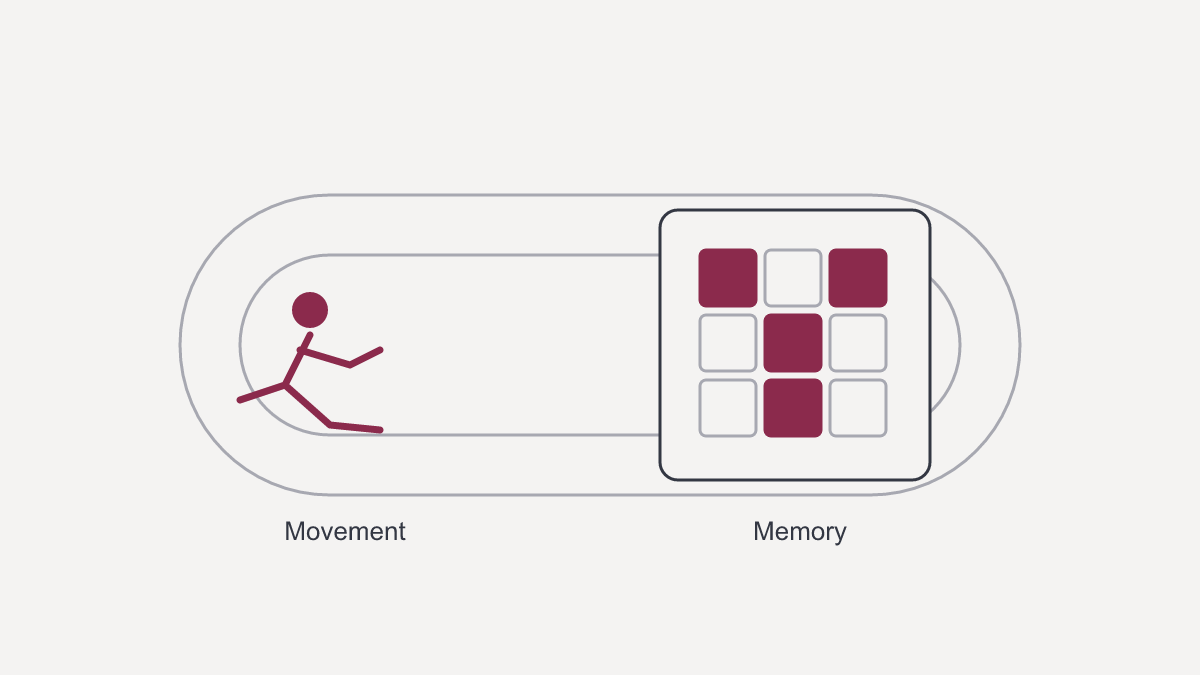
No. An improvement on a creative task is not a measurement of lasting change in general intelligence. It also cannot predict a particular increase on an online test. Research on longer-term exercise and memory asks another question, discussed in our exercise guide.
For a timed assessment, do not interrupt the procedure to recreate a study you read about. Take a break beforehand if that suits you, then complete the assessment as instructed.
Use movement as part of a thinking routine
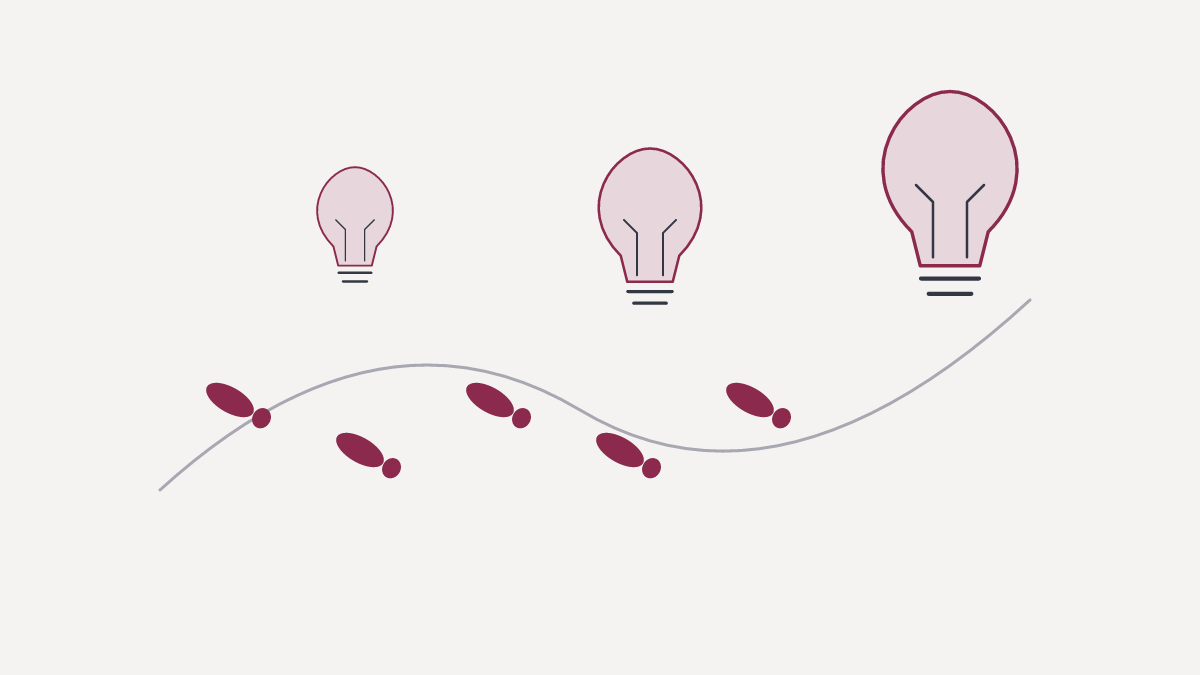
One workable routine is to define the problem at a desk, consider alternatives on a short walk, and return to make the decision with the relevant facts in front of you. The value lies in matching the activity to the stage of the task. It is a tool you can try, not a requirement for being creative or a substitute for subject knowledge.