Why there is no universal study playlist
A systematic review of background music and cognitive performance examined differences across tasks, musical features and participant characteristics. This is a better framework than treating all music as either helpful or harmful. Solving a new problem and copying familiar notes impose different demands.
Lyrics may be particularly noticeable when you are also processing words. A familiar instrumental track may feel less distracting, but preference alone does not establish a learning advantage. Loudness, sudden changes and the temptation to manage the playlist can matter in an ordinary study session.
Compare recall, not just comfort
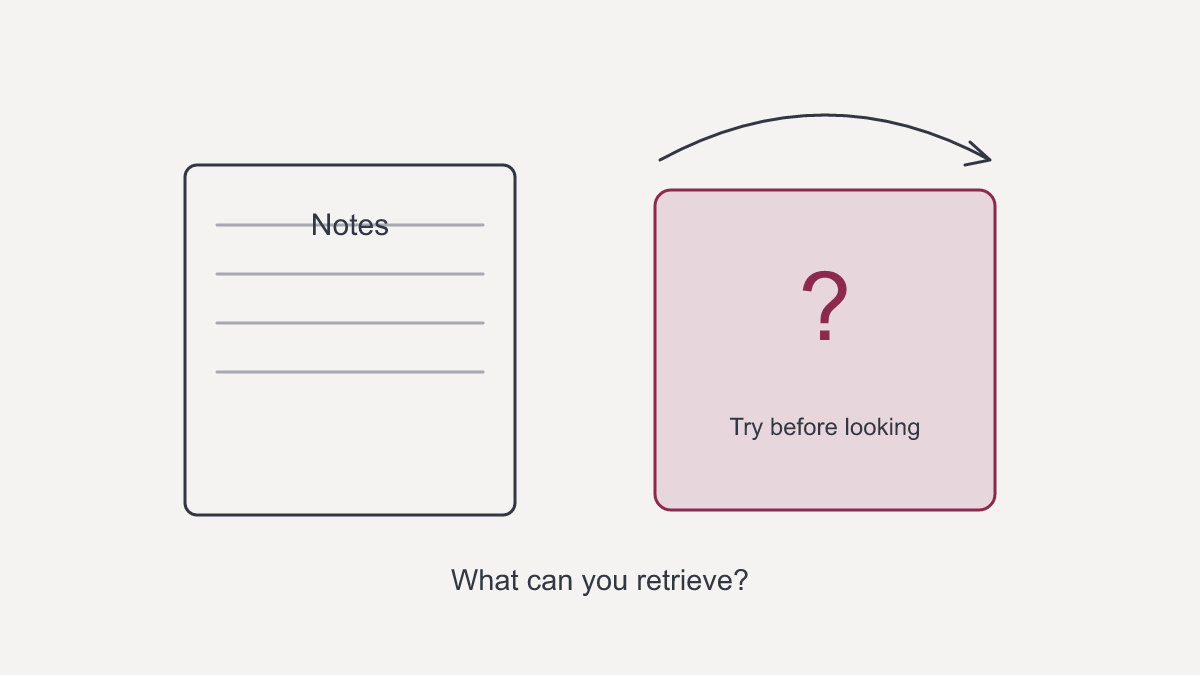
Try two similar reading passages on separate occasions. Study one with your usual music and the other in quiet. After a delay, write down the main points without looking. Repeat with the conditions reversed on new material.
The purpose is not to produce a scientific result from two sessions. It is to check whether your chosen setup supports the outcome you care about. Record both comfort and recall; they may point in different directions.
Match the sound to the work
| Task | Useful question |
|---|---|
| Reading unfamiliar material | Am I rereading sentences because I lost the thread? |
| Practicing a familiar procedure | Is the music helping me stay with the routine? |
| Writing an argument | Am I following my own words or the lyrics? |
| Timed assessment | Do the rules allow sound, and can I keep conditions consistent? |
If silence helps difficult work but music helps routine work, there is no contradiction. You do not need one setting for every activity.
Avoid the intelligence shortcut
A playlist does not measure your IQ, and liking classical music is not evidence of greater intelligence. For starp's timed reasoning test, choose a quiet, stable setup and leave the audio experiments for another session. The most useful study habit is one that improves what you can later explain or do, rather than one that merely looks productive.