The cost is in the switch
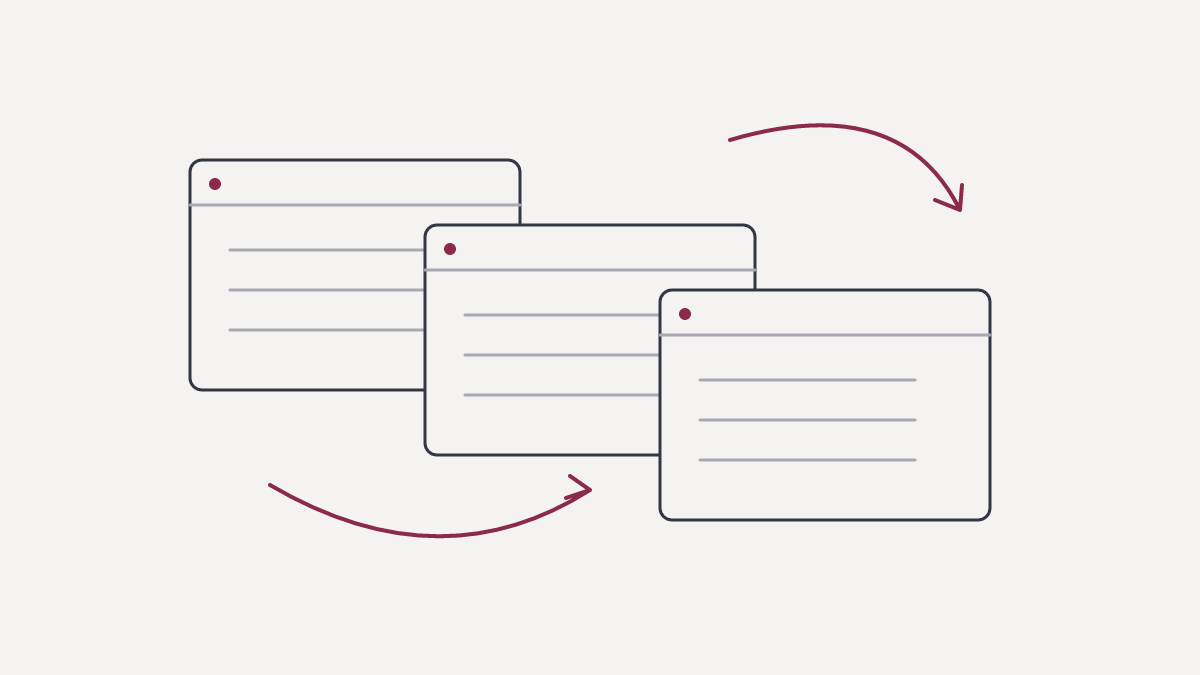
Rubinstein, Meyer and Evans studied people alternating between tasks with different rules. Switching took additional time, especially when the rules were more complex; cues reduced some of the cost. The finding concerns the coordination of tasks, not a permanent reduction in intelligence.
Imagine checking a budget, replying to a message and returning to the budget. Before calculating again, you need to recover which row you were checking, whether a figure includes tax and what remains unresolved. The message may be brief while the return to the original reasoning is not.
Why small interruptions can matter
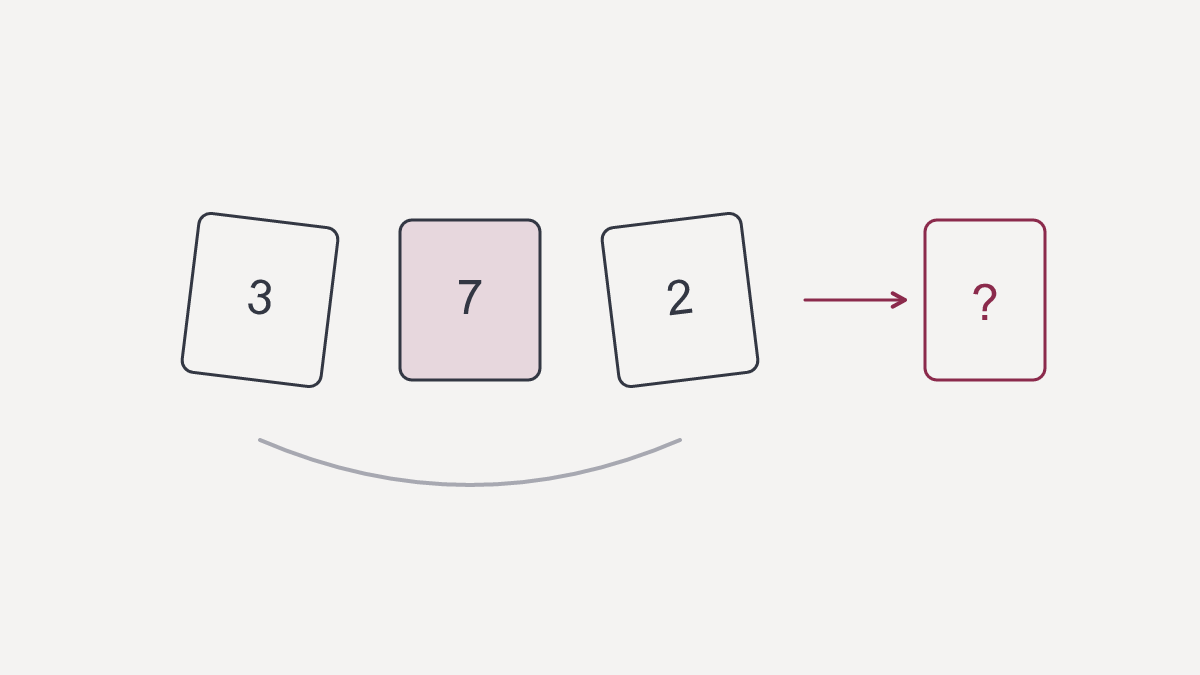
A notification can arrive while you are holding a temporary result in mind. If that result is lost, you must reconstruct it. In an IQ-style matrix, this might mean rediscovering whether the number of shapes changes across rows or columns.
The practical question is not whether you can tolerate interruptions. It is whether the work needs you to maintain a fragile chain of information. Long calculations, unfamiliar instructions and editing an argument often do.
Try a comparison you can actually interpret
Choose two similar, low-stakes work blocks. In one, keep messages available; in the other, silence them. Record completed work and corrections needed, not just whether the session felt busy. Repeat with a different order so the easier block does not always receive the same condition.
This will not be a controlled scientific experiment, but it can reveal a useful habit. Avoid turning a single afternoon into a universal claim about your attention span.
Make it easier to resume
Before a necessary interruption, write down the next concrete action: “check the final two rows” is more useful than “finish spreadsheet.” Keep one place for incoming tasks instead of reopening each immediately.
During an assessment, follow its rules about notes and interruptions. starp's clock continues while you switch away. A focused attempt gives you a clearer view of your reasoning skills than a session divided between a test and several conversations.