The proposed advantage
Managing more than one language can involve selecting words and controlling interference. Researchers have asked whether that experience improves other tasks involving attention or executive control. Those tasks are not the same as a full IQ assessment.
Lehtonen and colleagues' meta-analysis of adult studies found small advantages on some measures before accounting for publication bias; the advantage did not remain after that adjustment. Research using the large ABCD sample also found little evidence of a general executive-function advantage in children. These findings concern additional cognitive benefits, not the value of knowing another language.
Why the comparison is difficult
People learn and use languages under very different circumstances. Age of acquisition, proficiency, frequency of use and educational background can differ between groups. “Bilingual” is not one uniform experience.
A study finding that bilingual participants do well on a task must therefore address how participants were selected and what other factors differ. A neat headline may leave those questions unanswered.
Set a goal that language learning can meet
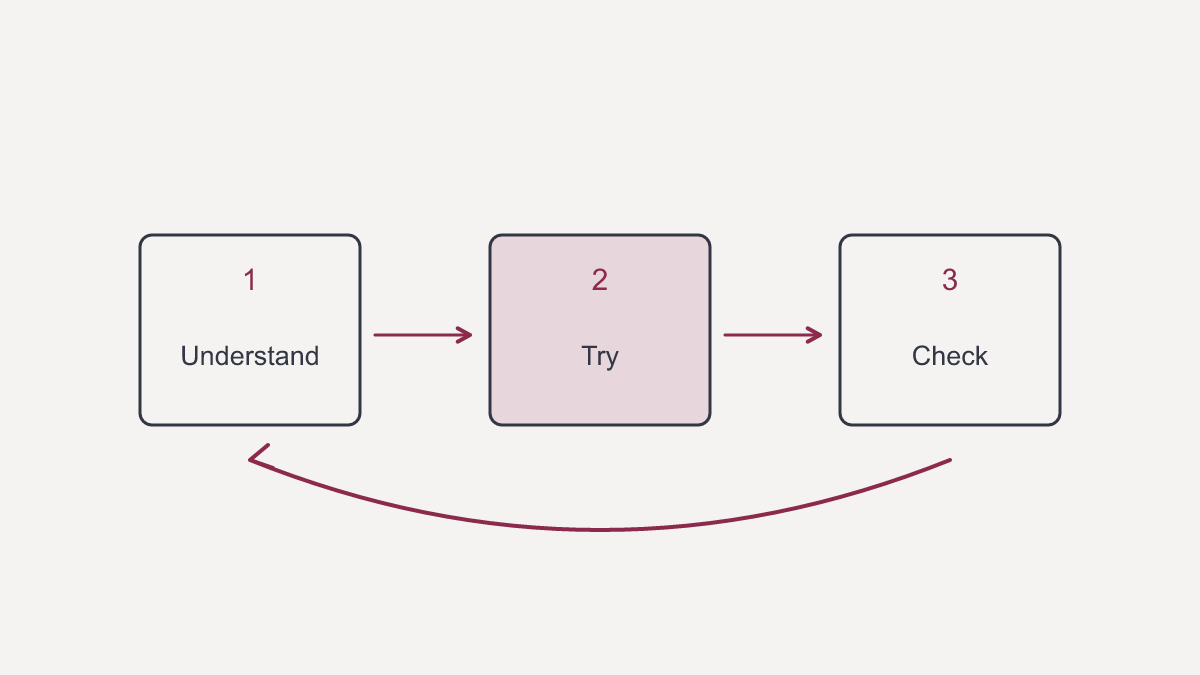
Choose a practical target: hold a conversation, understand an article or write a useful email. These goals let you see progress directly. Practice retrieving words, understanding real sentences and using the language in context.
If you can now follow a conversation that was previously inaccessible, that is a meaningful gain. It does not need to be reframed as extra IQ points to count.
Language and test fairness
A test written in an unfamiliar language can add difficulty that is separate from the reasoning it intends to measure. Even visually presented tasks include instructions, timing and conventions that must be understood.
For formal assessment, use an appropriate instrument and qualified guidance for the language context. For an online reasoning challenge, read the instructions carefully and remember that one session cannot separate every influence on performance. Our verbal reasoning guide explores the role of language more directly.