A broad trait contains several tendencies
Extraversion-related traits can include different aspects of sociability, assertiveness and activity. A person may be comfortable speaking publicly while preferring a quiet afternoon. Reducing those differences to a single stereotype makes the comparison less informative.
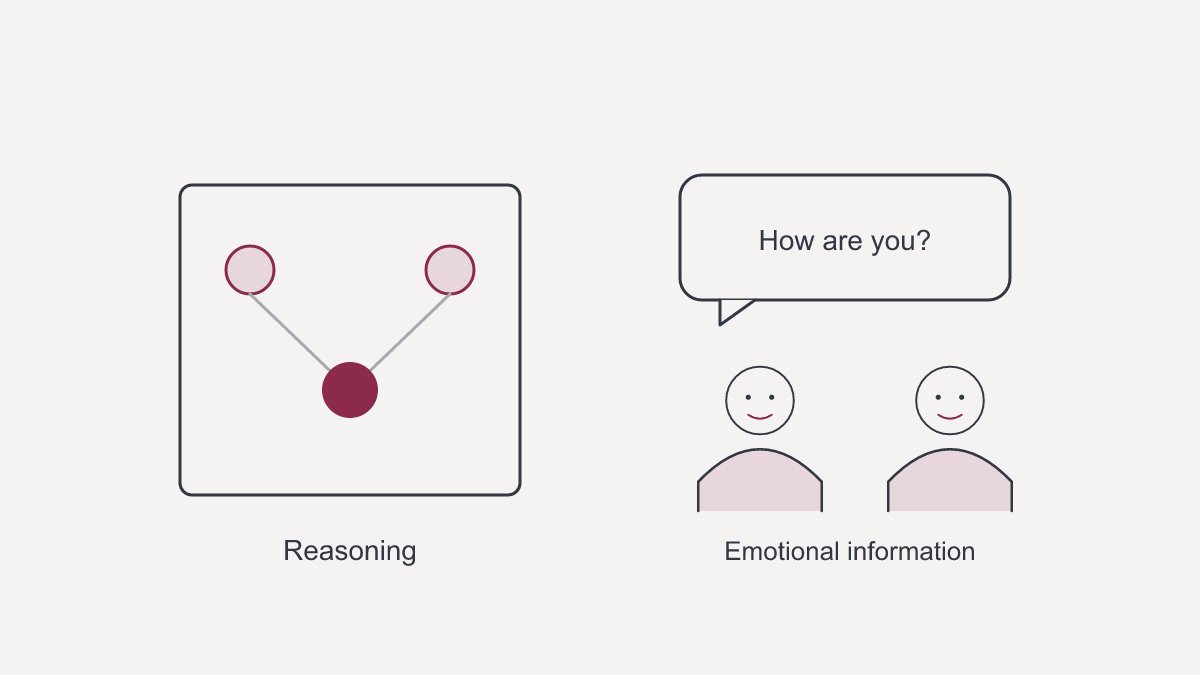
A large meta-analysis of personality and cognitive ability by Stanek and Ones examined many specific traits and abilities. Its detailed approach illustrates why a blanket claim that one personality type is smarter misses the structure of the evidence.
Why the stereotype can feel convincing
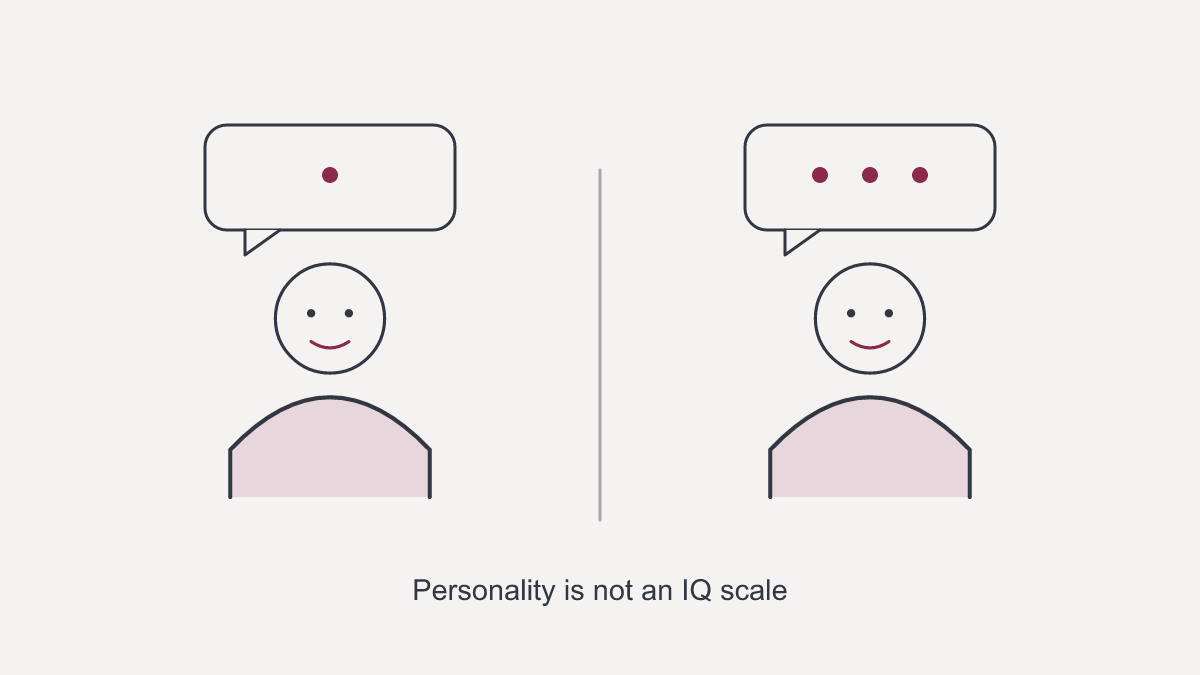
A quiet person may have more opportunity to appear thoughtful, while an outgoing person reveals more of their thinking in public. Neither impression provides a controlled comparison. You also notice memorable examples more readily than all the people who do not fit the stereotype.
The opposite stereotype can be equally misleading: speaking fluently and confidently can create an impression of knowledge without showing whether the claim is correct.
Separate preference from performance
Ask a concrete question. Can the person solve this unfamiliar problem? Explain this concept accurately? Learn this procedure with appropriate support? Those observations are closer to the ability you want to understand than counting how often they speak.
For group work, allow different ways to contribute. Someone may formulate a useful response after a period of individual thought; another may develop an idea through discussion. Evaluate the contribution rather than assuming that the preferred style reveals an IQ.
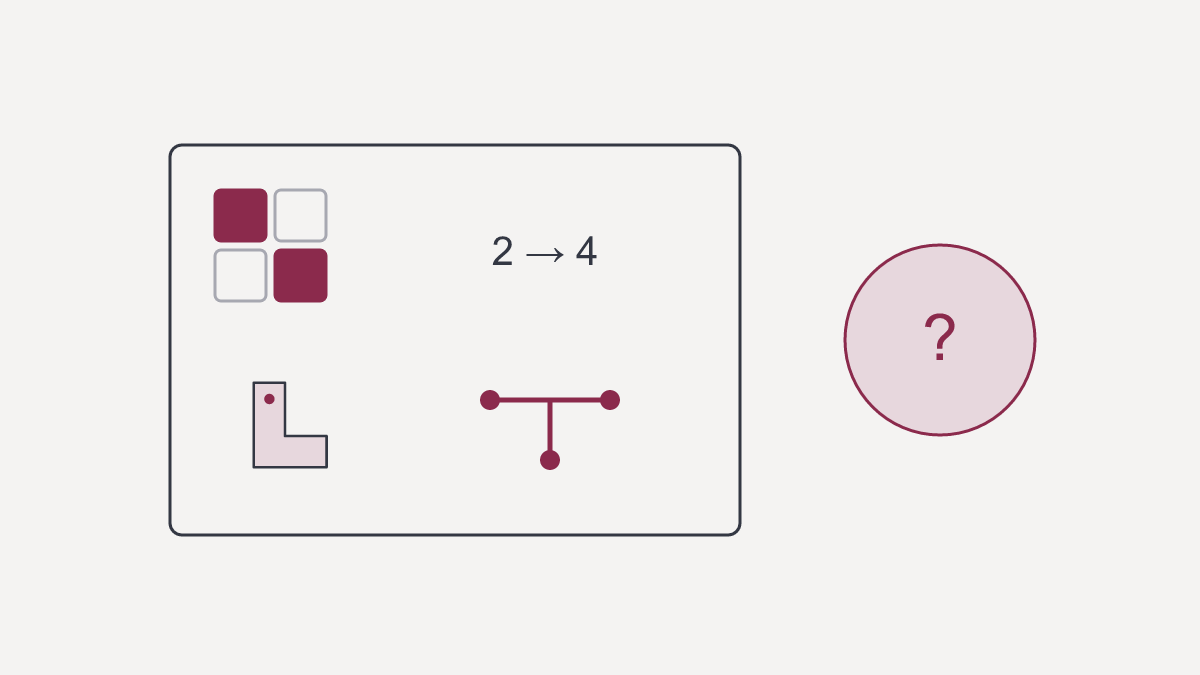
What a test can add
A defined assessment gives everyone a more explicit task than a personality impression does. Its usefulness still depends on its quality and purpose. starp's reasoning test does not classify personality, and its score cannot tell you whether you should become more or less social.
Treat personality as part of how you like to engage with the world, not a ranking of minds. You can explore your reasoning strengths without turning an ordinary difference in social preference into a claim of superiority.