Information becomes organized
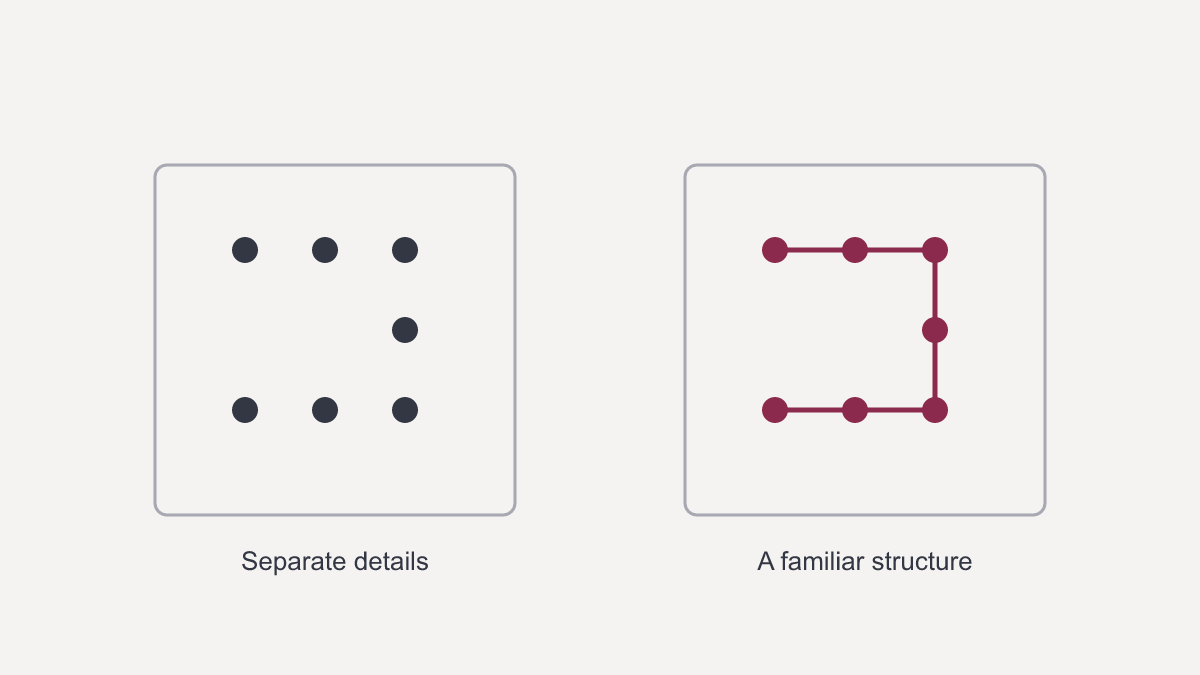
A novice reading a musical score may process individual notes. A trained musician may recognize a phrase. A programmer can see a familiar error pattern in several lines of code. The same visible information has a different structure for someone with relevant experience.
Research reviewed by Sala and Gobet examines experts' memory advantages for domain-specific material, including randomized material. The broader lesson is that expertise depends on what is being remembered and how it relates to learned knowledge, rather than a simple universal-memory explanation.
A puzzle example
Look at 3, 6, 4, 8, 6, 12. Someone familiar with alternating operations may quickly test “multiply by two, then subtract two.” A beginner may spend longer searching for one operation that fits every step.
Familiarity suggests a candidate rule, but the rule still needs checking. Expertise can speed up the search while a final consistency check prevents a familiar pattern from being imposed on the wrong example.
Learn the reason behind the answer
After seeing a solution, ask which clue made that approach useful. Compare it with a nearby problem where the same approach fails. This helps connect a method to its conditions instead of memorizing a list of answers.
For example, compare a sequence with a constant difference to one with two interleaved sequences. Both contain numbers, but the useful representation differs.
Respect the boundary of expertise
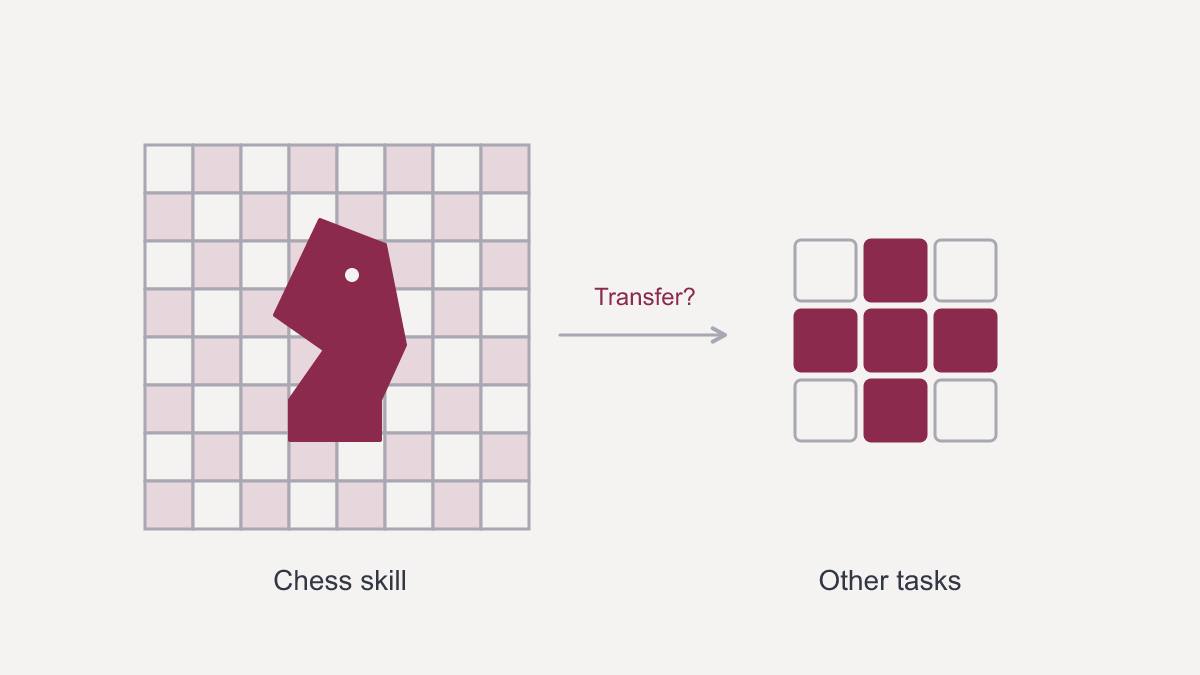
Being excellent at chess does not automatically make someone an expert in finance, medicine or politics. Relevant knowledge and feedback still matter. Similarly, a high score in one practice format does not establish equal skill on every unfamiliar assessment.
Use practice to build a richer set of strategies, then test them on new examples. Our pattern-recognition guide shows how to generate and verify rules without assuming that the first familiar pattern must be the intended one.