What you learn at the board
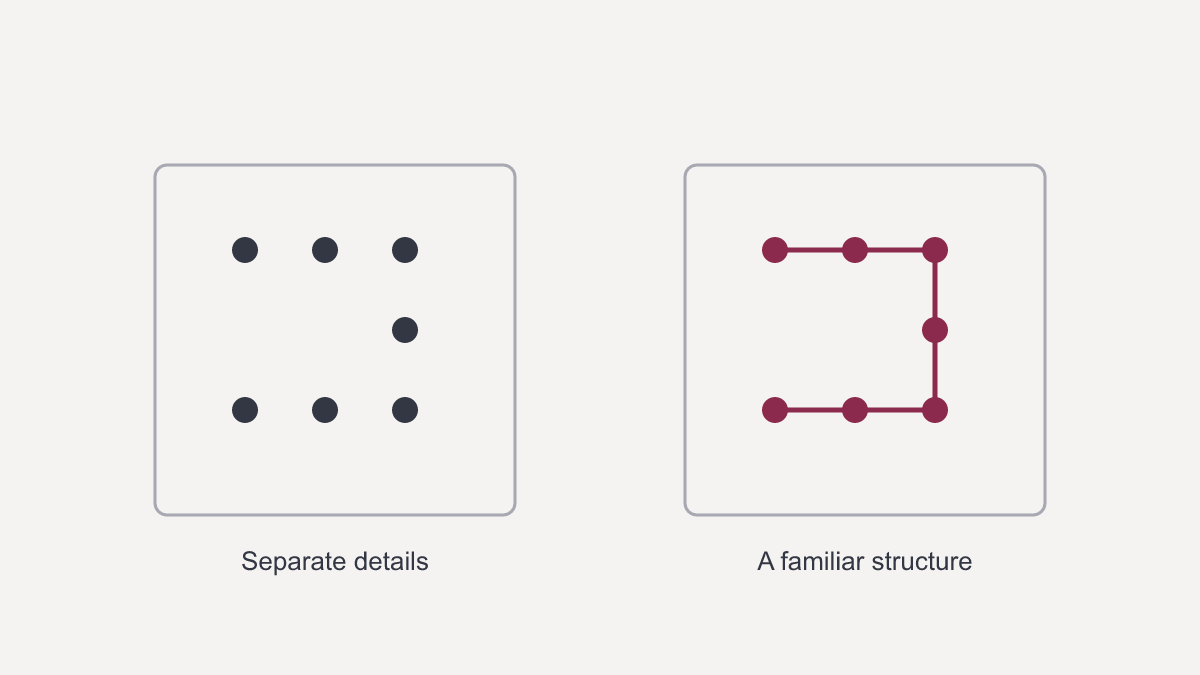
A developing player learns legal moves, tactical patterns, opening ideas and ways to evaluate positions. These are substantial achievements. Recognizing a familiar threat can make an experienced player seem to process a board instantly.
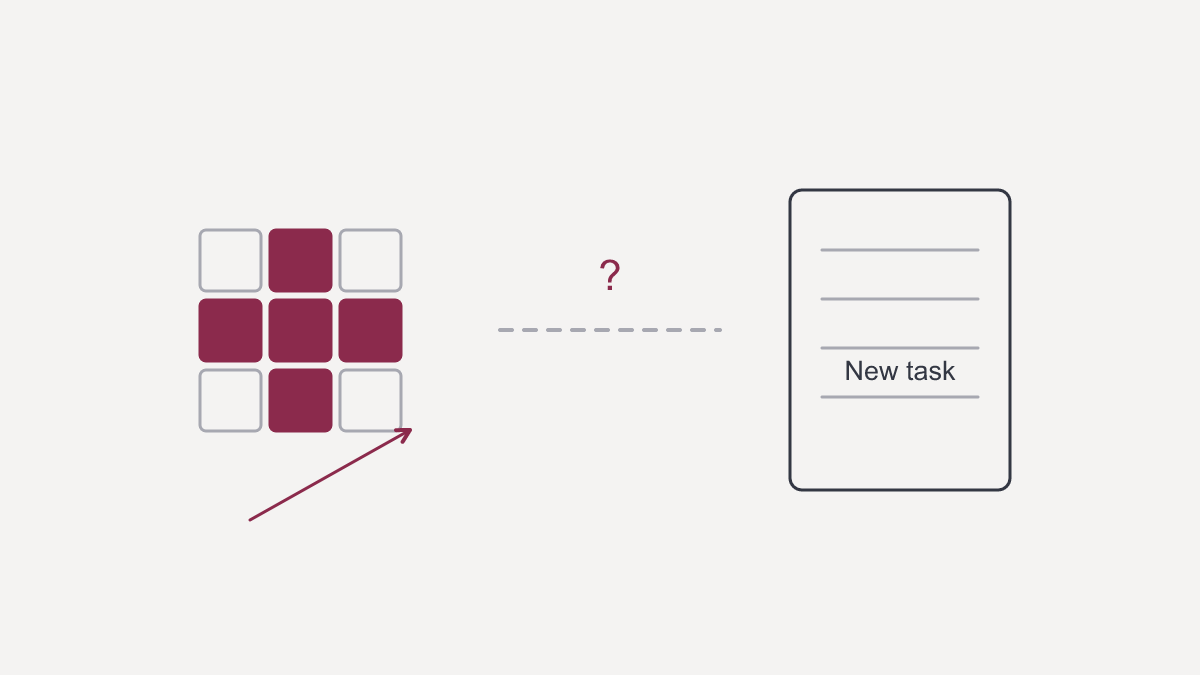
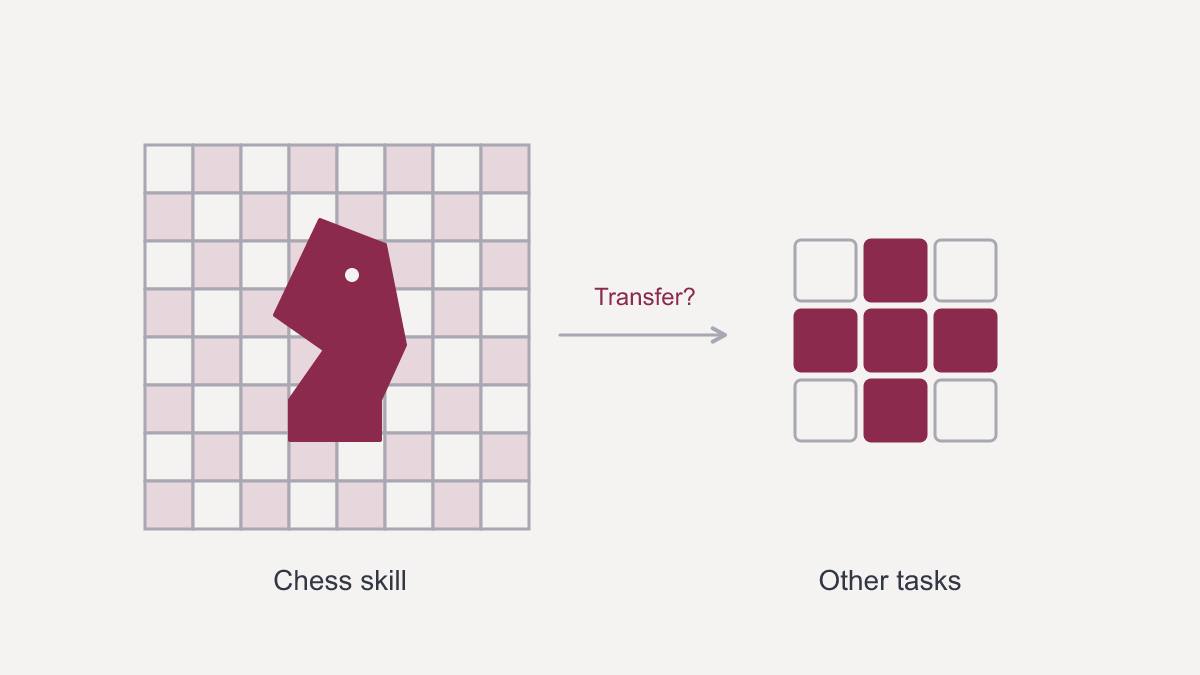
That expertise is tied to the structure of the game. It does not by itself show how the player would perform on an unrelated reasoning task with unfamiliar rules.
Why comparison groups matter
Sala and Gobet tested chess instruction in experiments that included active comparison activities. They did not find clear evidence of the broad mathematical gains that simple before-and-after stories might suggest. The distinction is important: children can improve over time because of normal schooling, practice or the attention involved in any organized activity.
A persuasive transfer claim needs more than a chess group doing better at the end. It needs an appropriate comparison and outcomes beyond the game itself.
A useful way to practice chess
Review why a move failed, compare candidate moves and look for recurring patterns. Ask which information you overlooked rather than memorizing the final position alone.
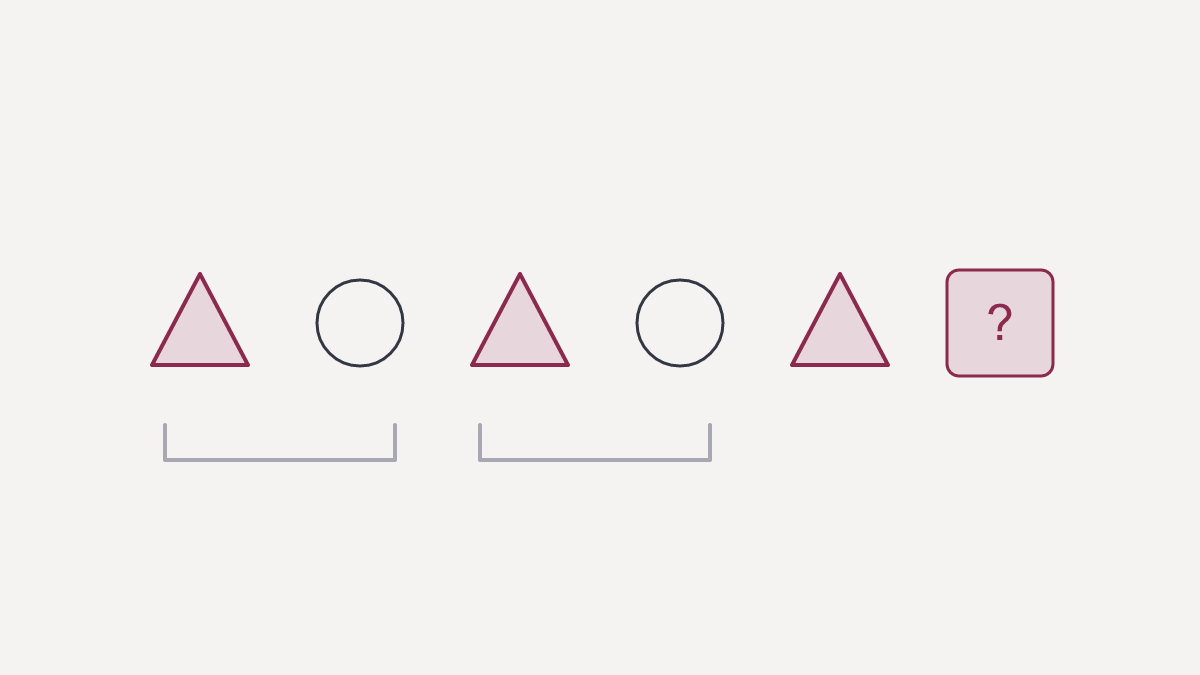
Those are worthwhile habits within chess. You can also deliberately apply a similar checking process elsewhere, such as considering alternatives before a decision. That deliberate application is different from assuming that playing enough games automatically raises every cognitive skill.
Should you play for brain training?
Play if you enjoy the challenge, competition or learning. If your goal is mathematics, also practice mathematics; if it is remembering course material, use methods aimed at that material. An enjoyable hobby does not need an IQ promise to justify its place in your day.
starp's brain games work on the same principle: short, specific challenges with feedback about the task. Their scores are not interchangeable with IQ. For the larger evidence question, see whether brain-training games work.