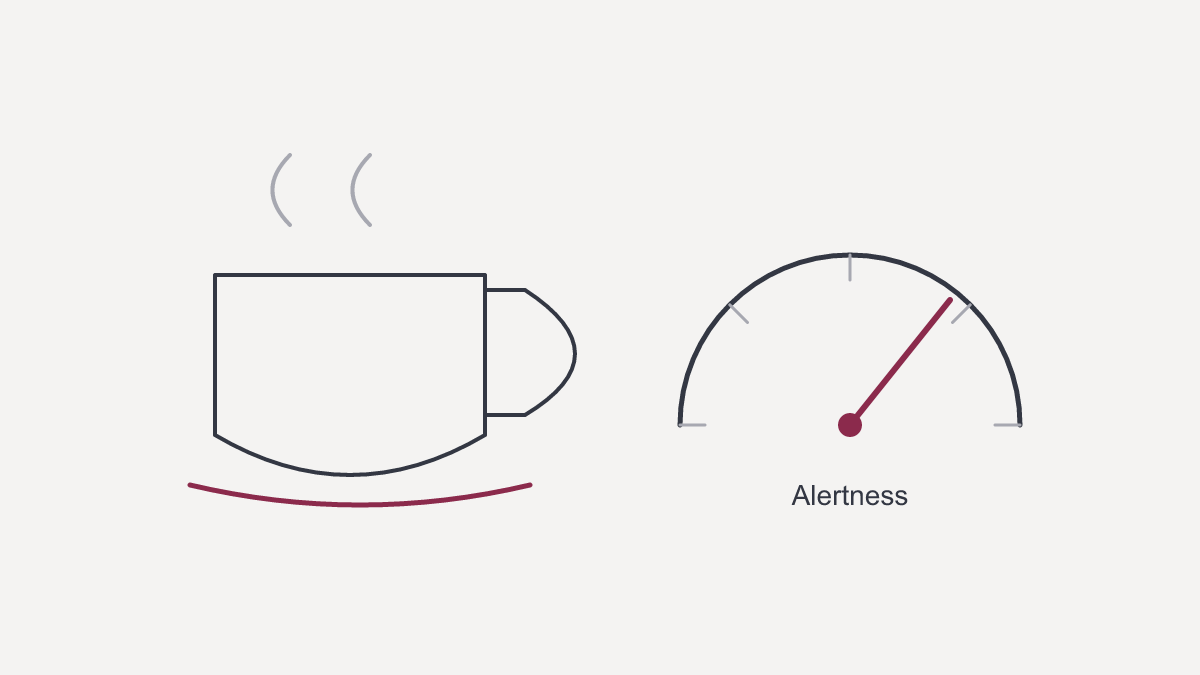
Alertness is one part of performance
Einöther and Giesbrecht reviewed controlled studies of caffeine and attention. They examined questions including task complexity, habitual use and reversal of withdrawal. Those distinctions help explain why “coffee improves the brain” is too broad a summary.
Noticing a signal quickly, holding several facts in mind and solving an unfamiliar rule are different demands. A change in one does not establish a change in all three. An IQ-style test combines several demands within a single session.
Why your usual routine matters
Suppose you compare a morning with coffee to a morning when you unexpectedly skip your normal routine. The difference could include the effects of that change, alongside sleep, expectations and the difficulty of the work. It would not isolate caffeine's effect on your underlying reasoning ability.
The reverse experiment is also hard to interpret: trying an unfamiliar amount before an important task introduces a new variable when you want stable conditions. This guide does not recommend a dose or a supplement strategy.
Judge the work, not the sensation
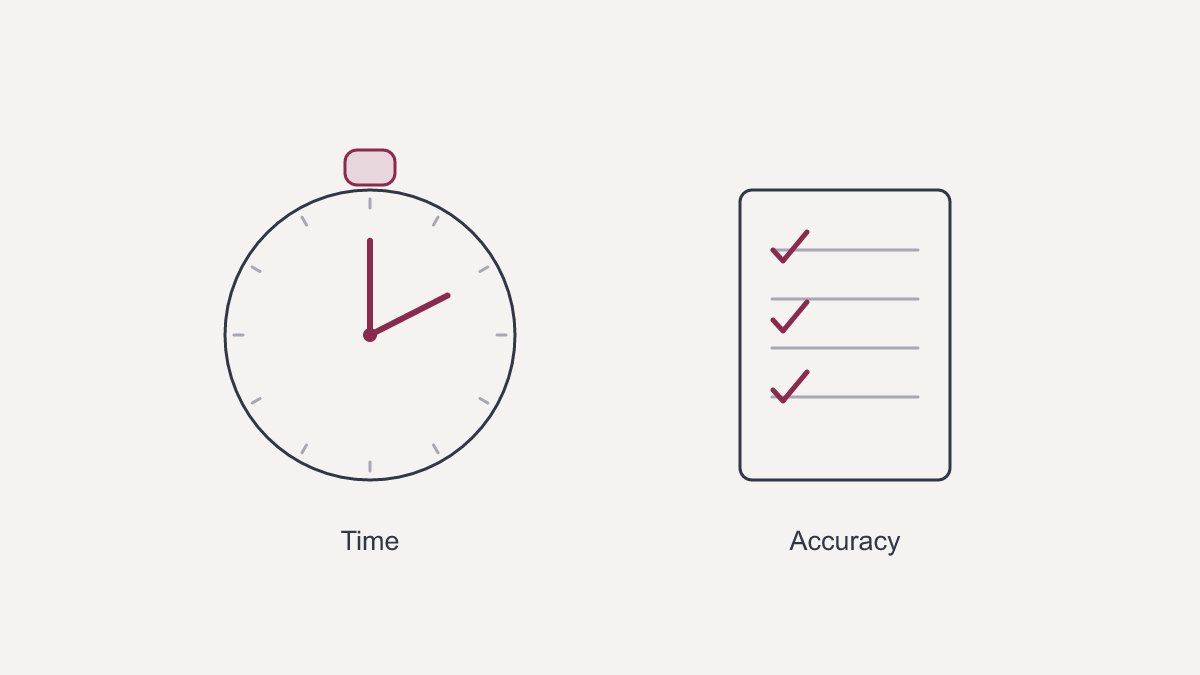
If a session feels faster, check whether your answers are also accurate. Completing a page quickly while overlooking instructions is not an improvement in the outcome. For everyday work, corrections and unfinished steps often reveal more than a feeling of energy.
On starp, finishing early does not earn a speed bonus. The score comes from correct answers, so a steady pace that leaves room to check a rule is more useful than rushing because you feel alert.
Before an assessment
Keep your preparation ordinary and predictable. Read the instructions, make time for the full session and reduce interruptions. If you are tired, do not treat caffeine as proof that the conditions are now equivalent to a rested attempt.
For another angle on the same distinction, see processing speed: responding quickly is a measurable part of cognition, but it is not the entire meaning of intelligence.